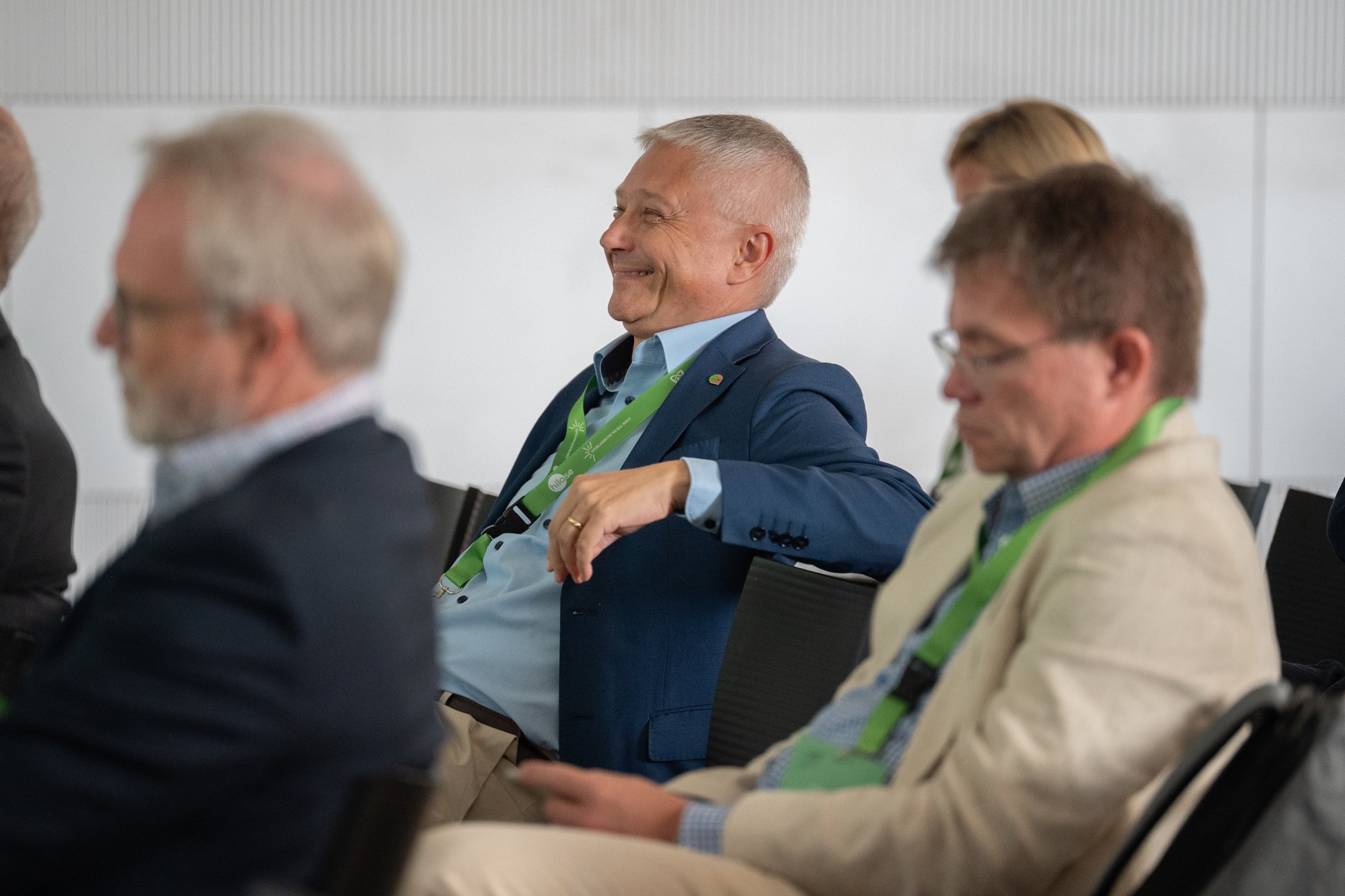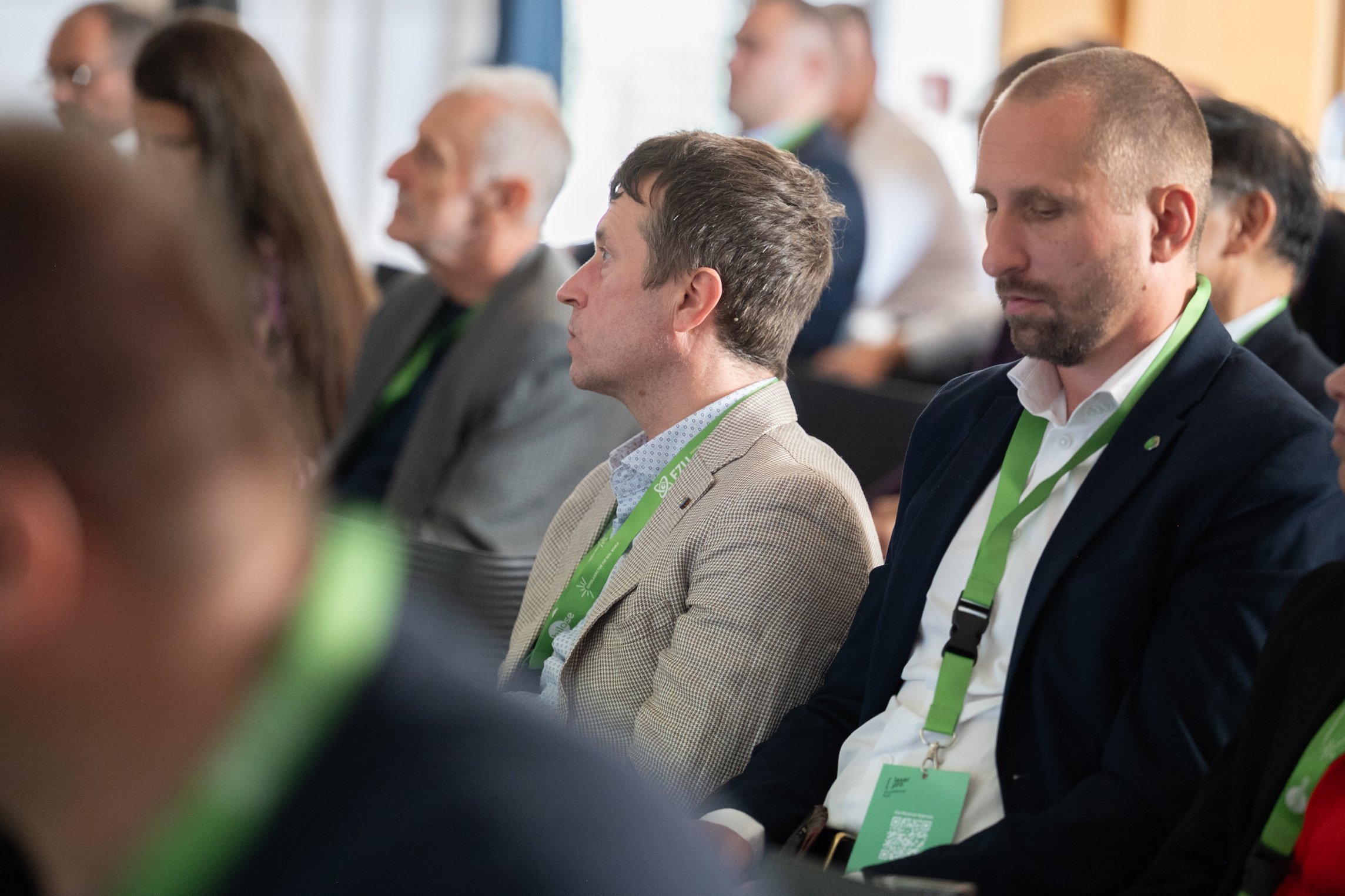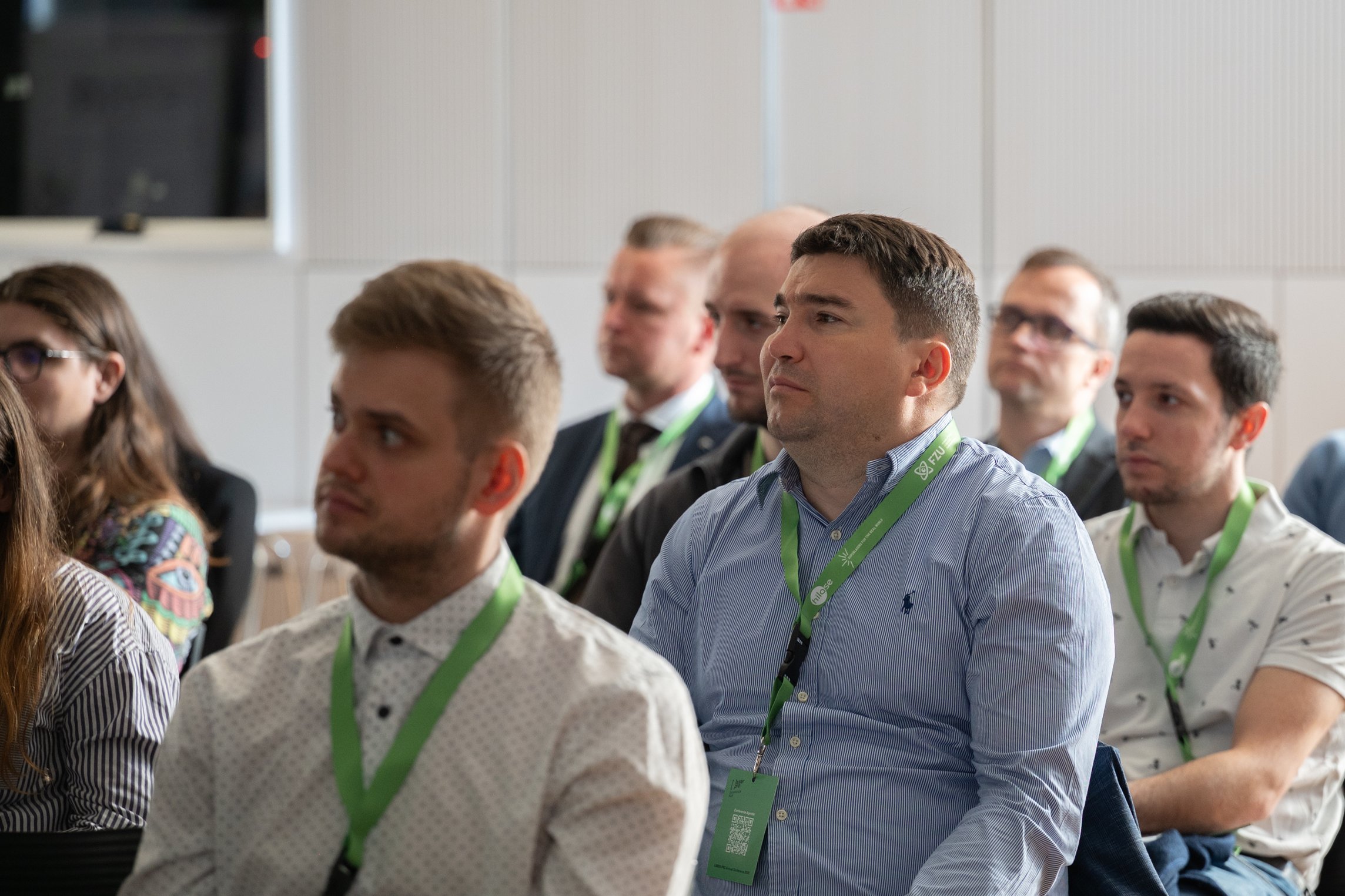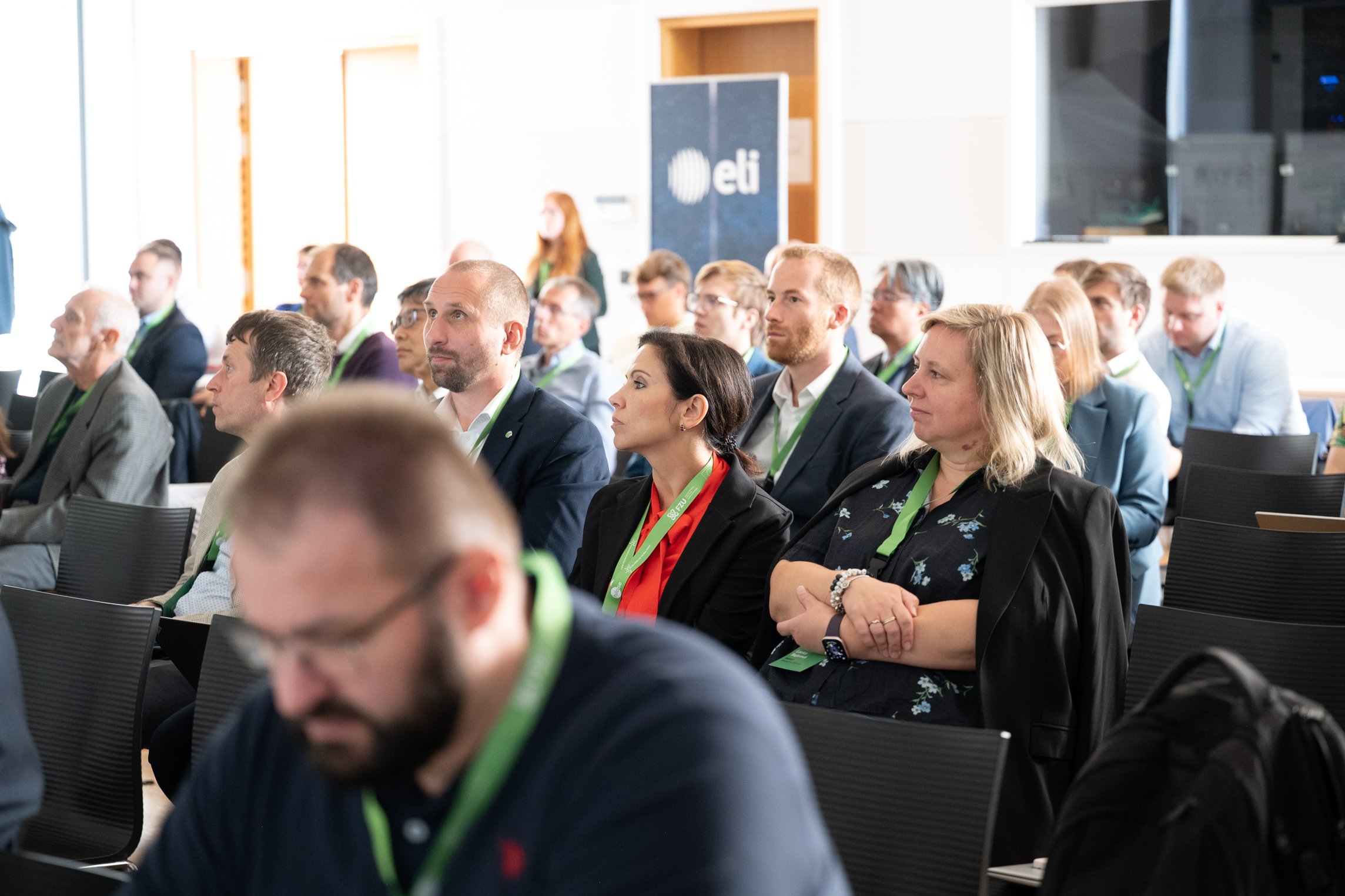
LASER-PRO Annual Conference 2026: From scientific excellence to industrial impact
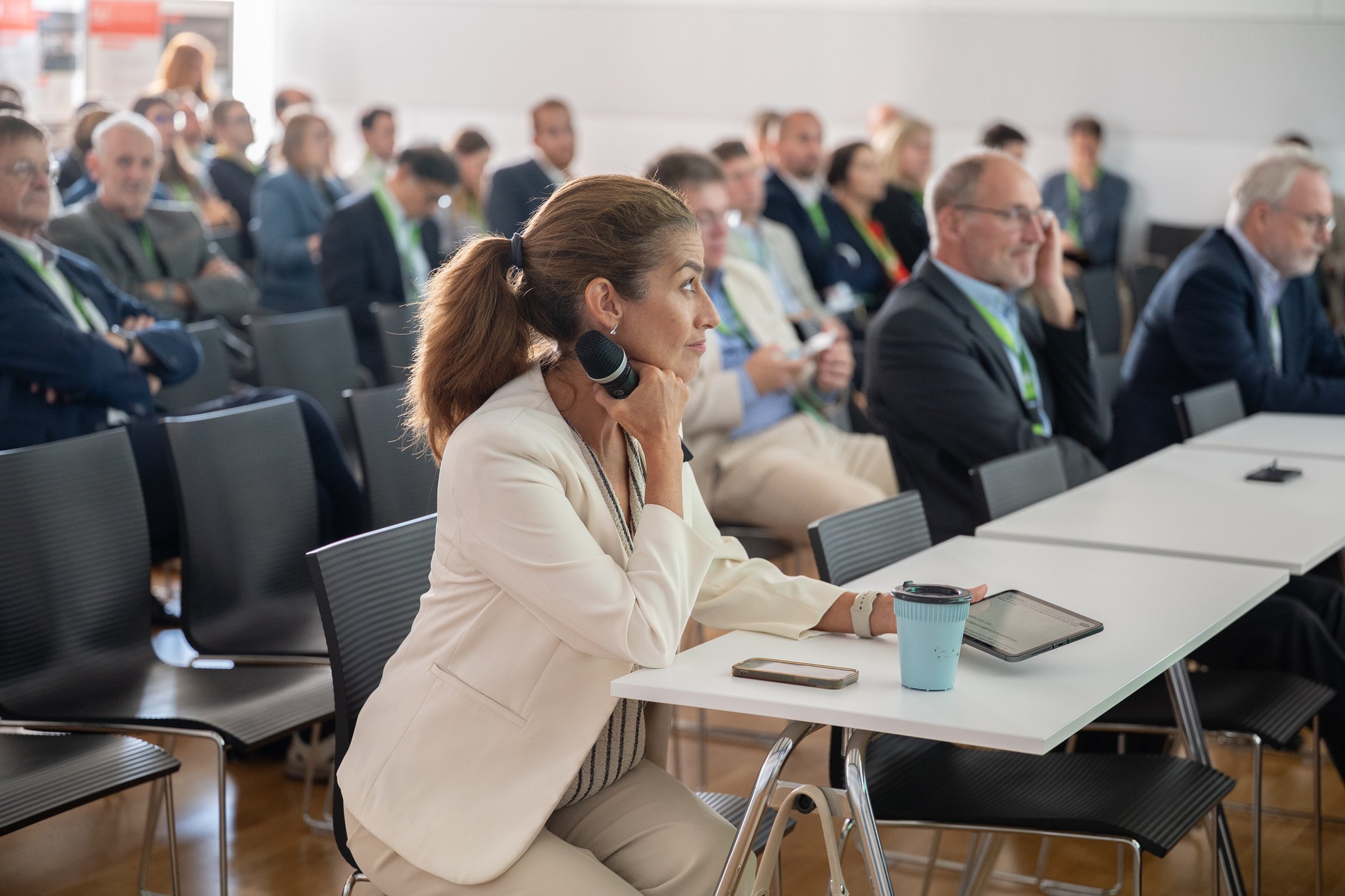
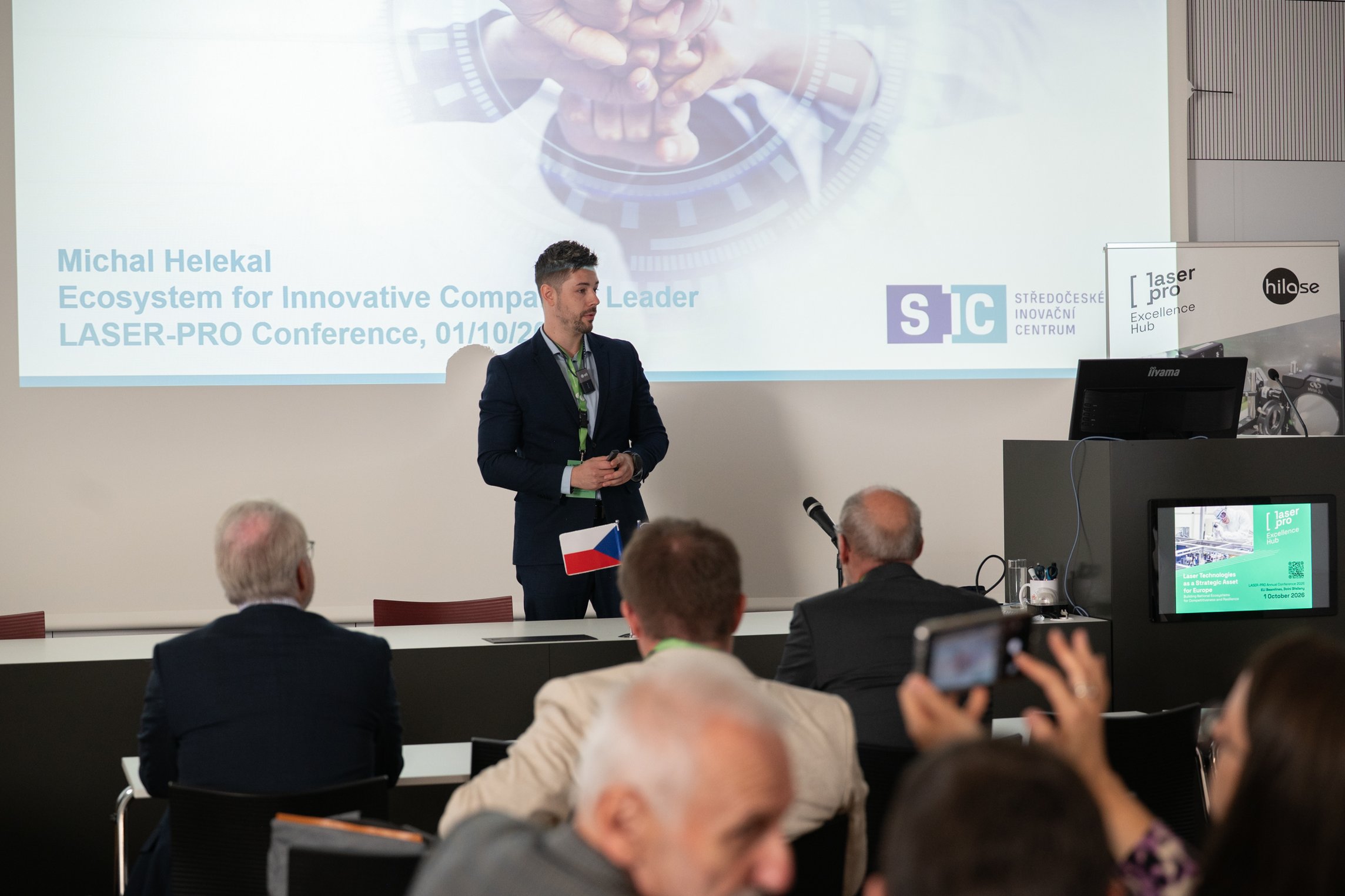
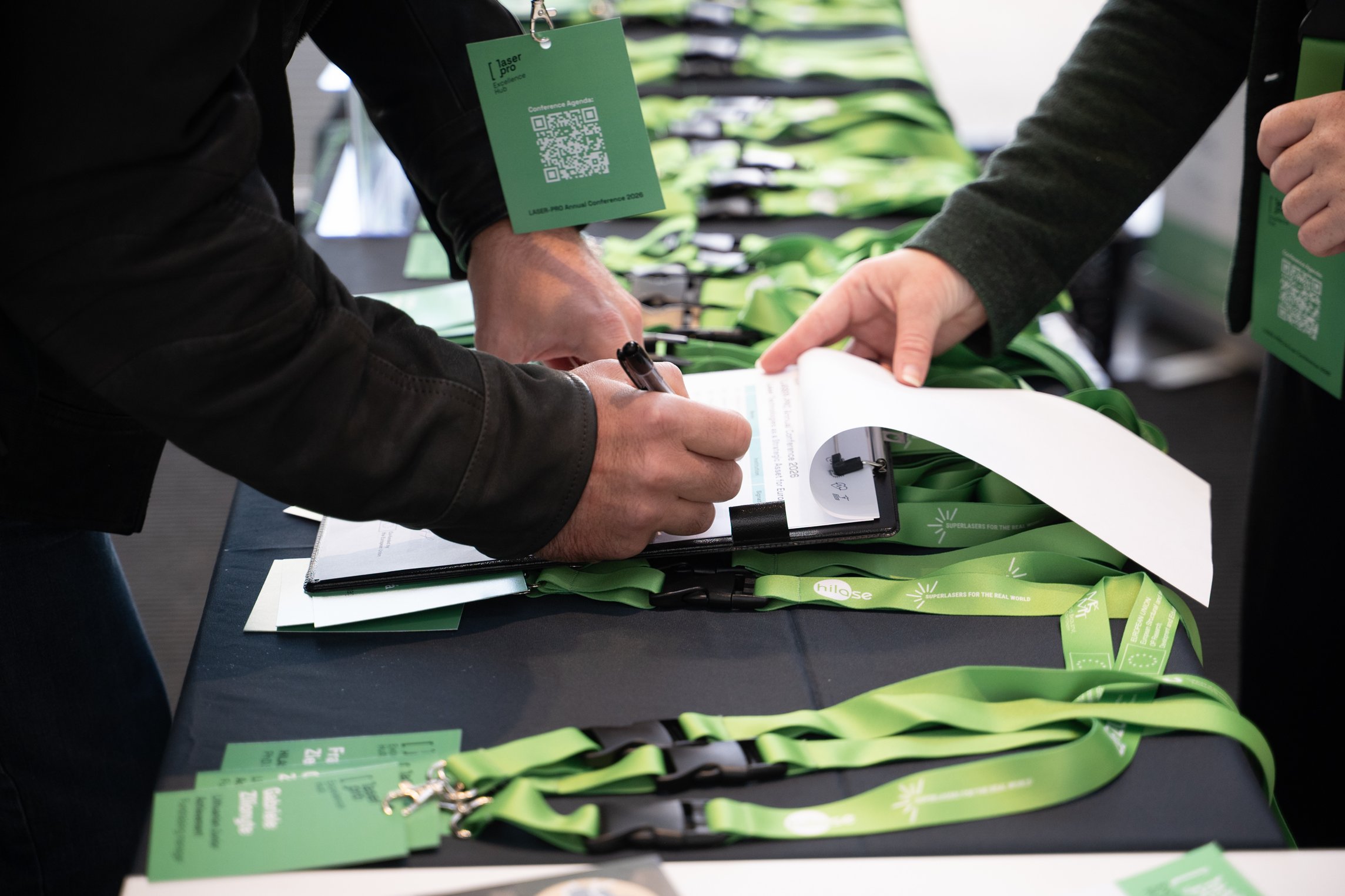
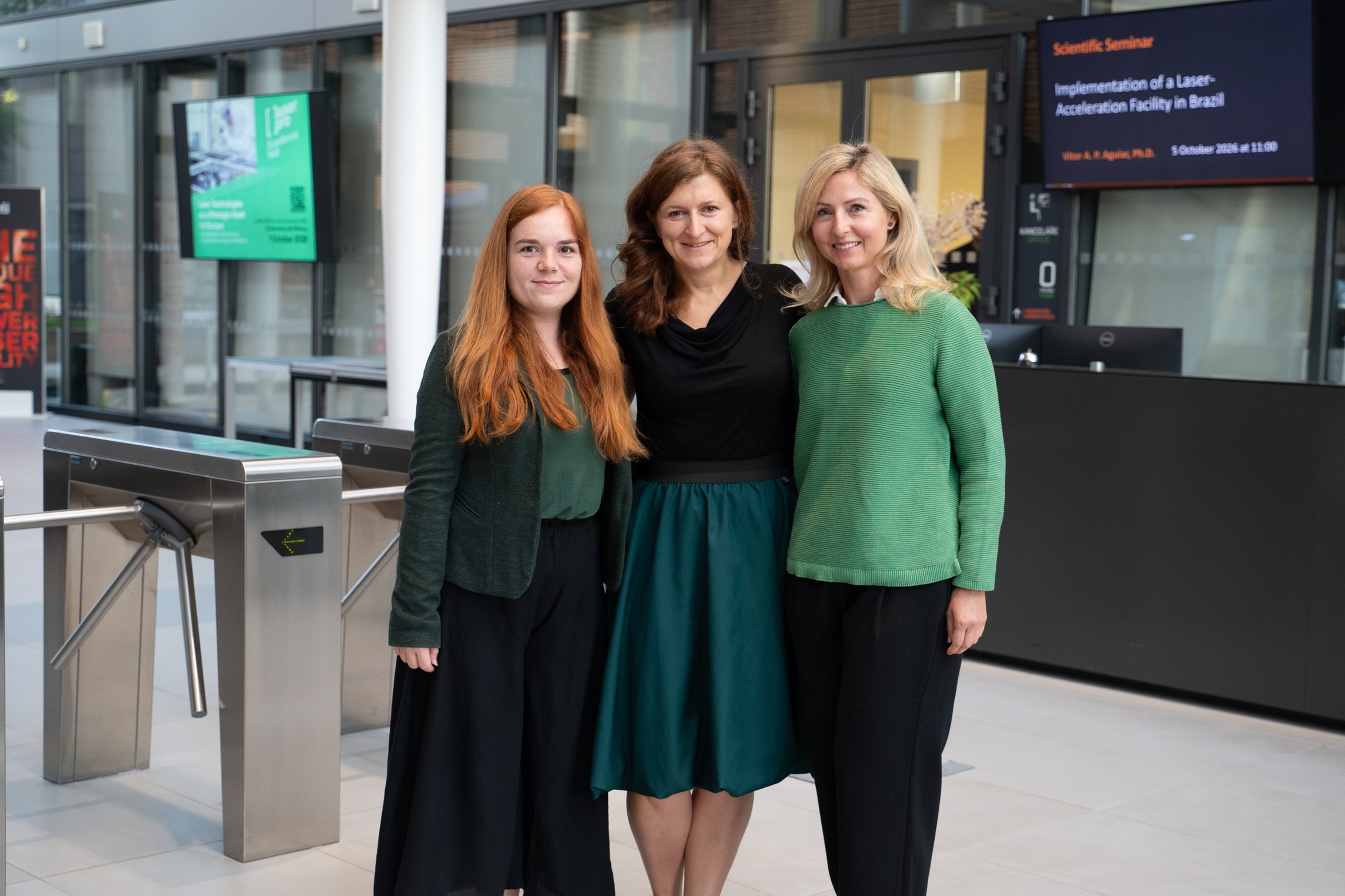
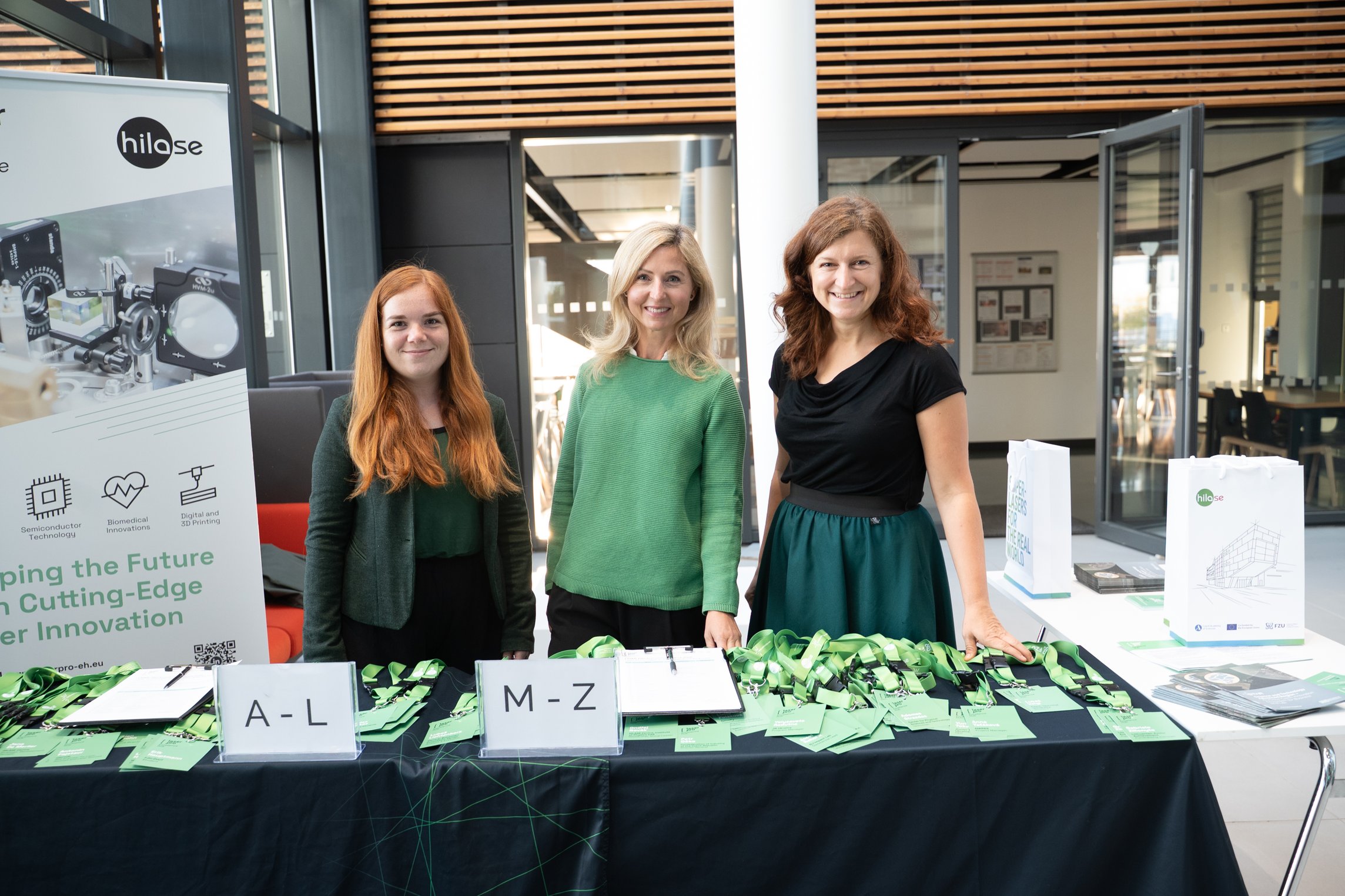
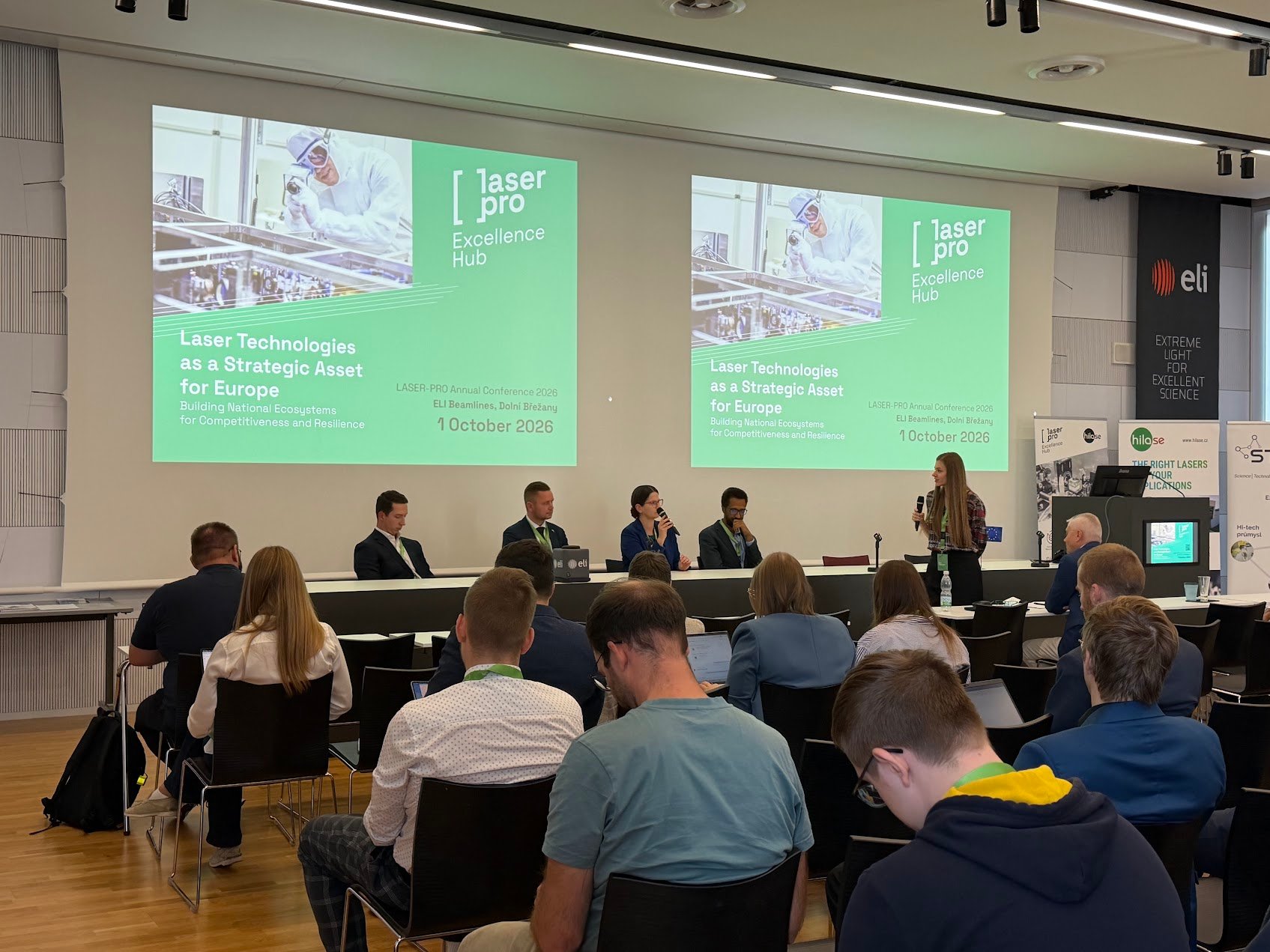
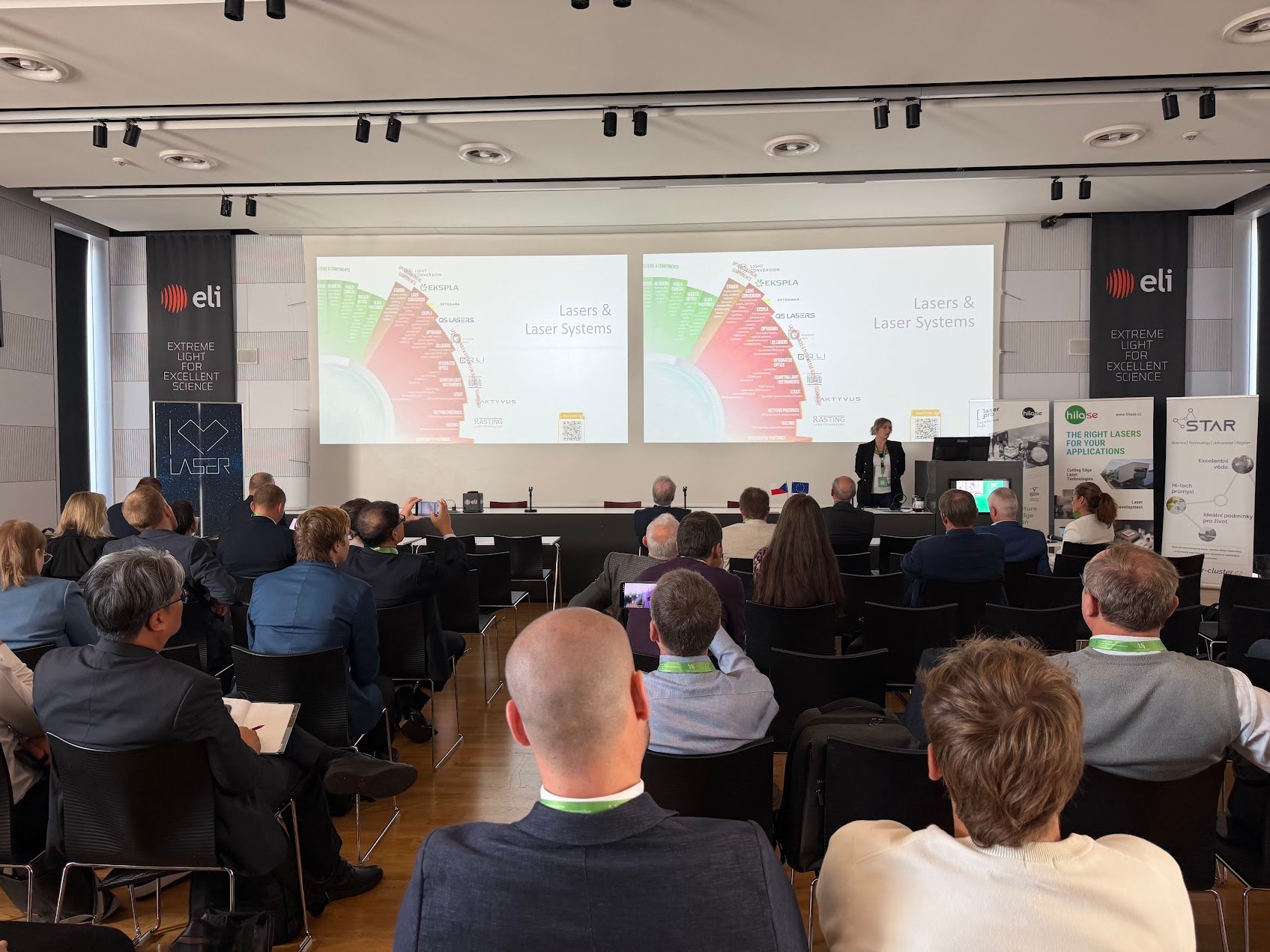
How can Europe turn its scientific excellence in laser technologies into successful products, companies and stronger innovation ecosystems? This question was at the heart of the LASER-PRO Annual Conference 2026, held on 1 October at ELI Beamlines in Dolní Břežany.
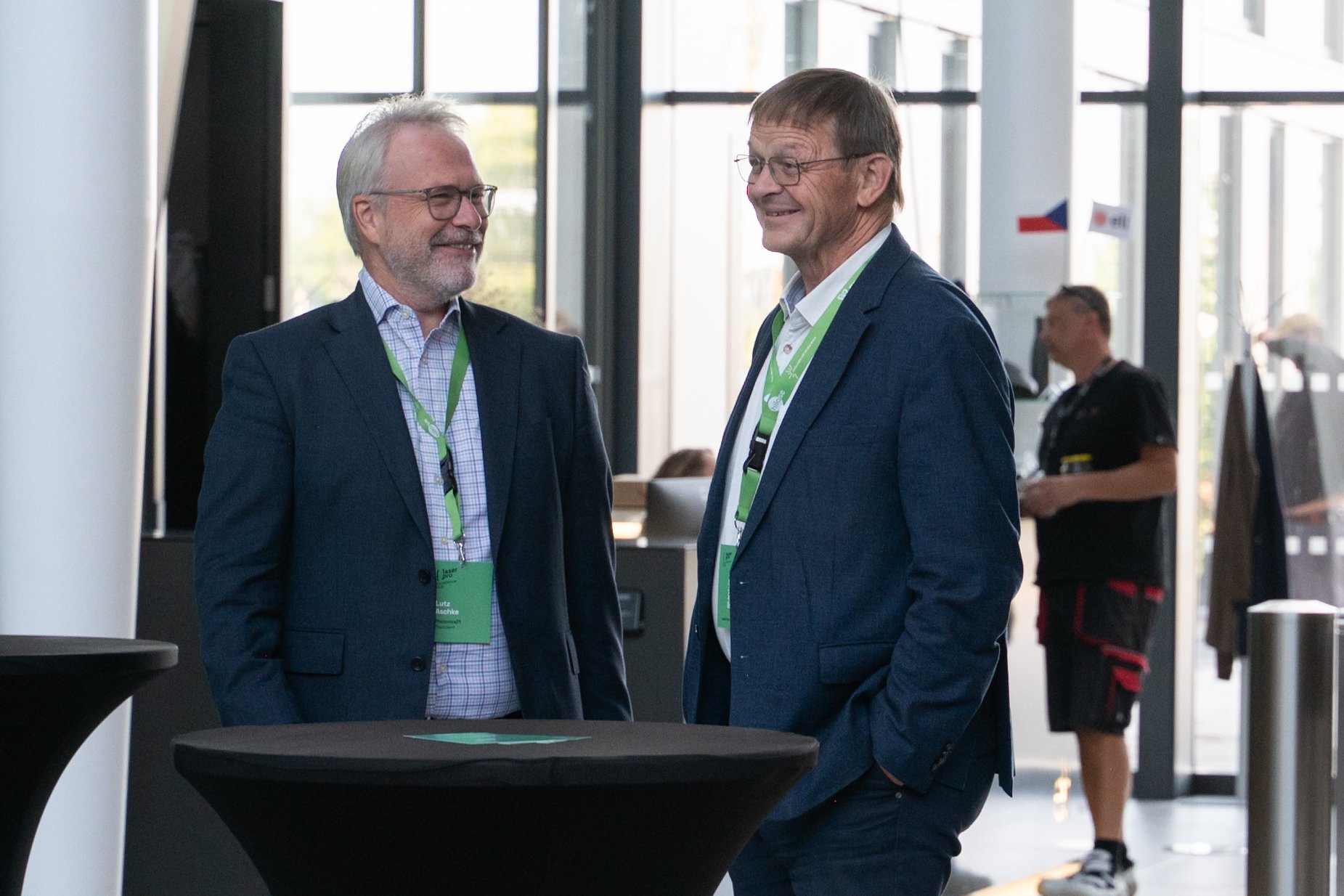
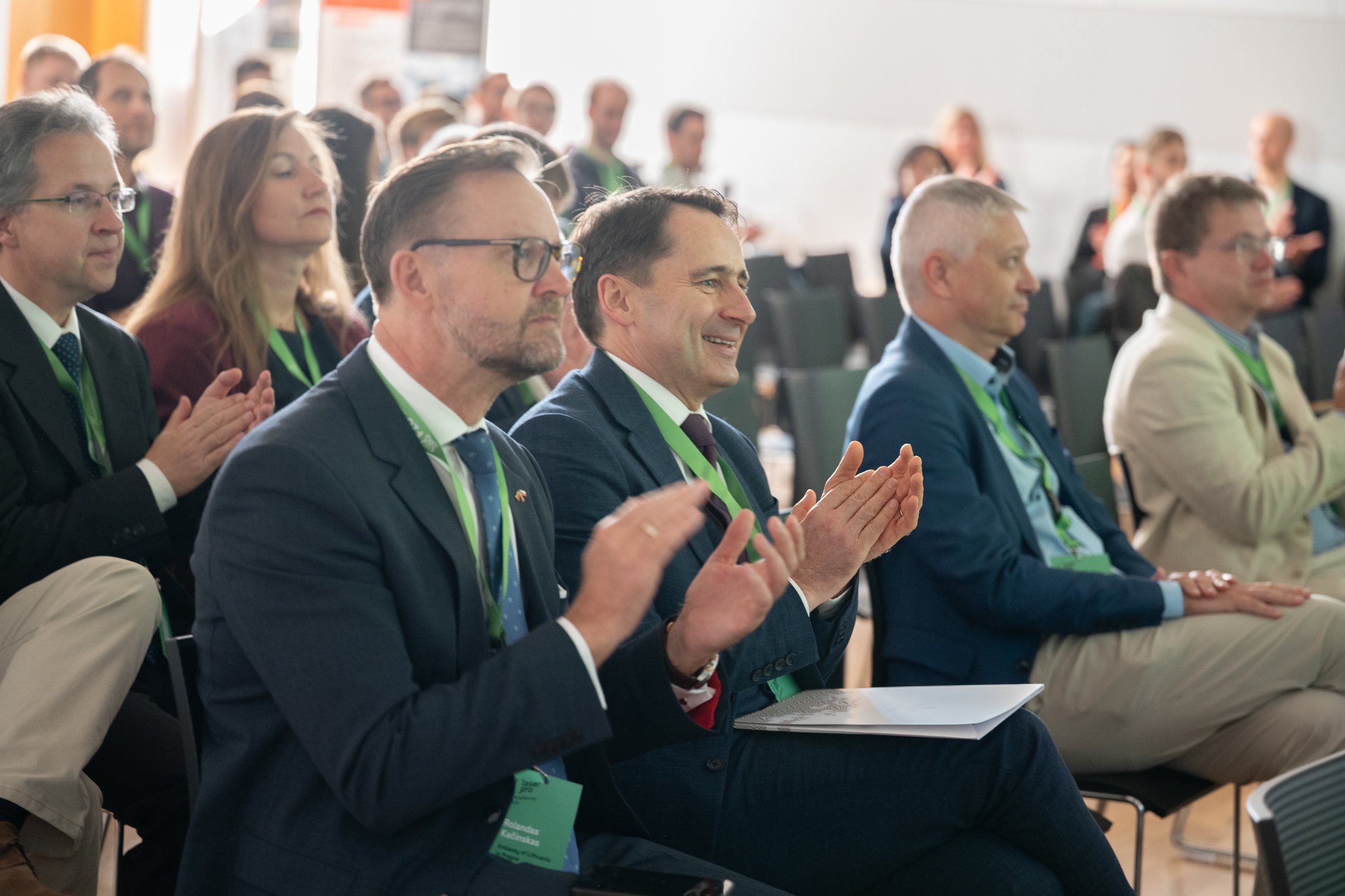
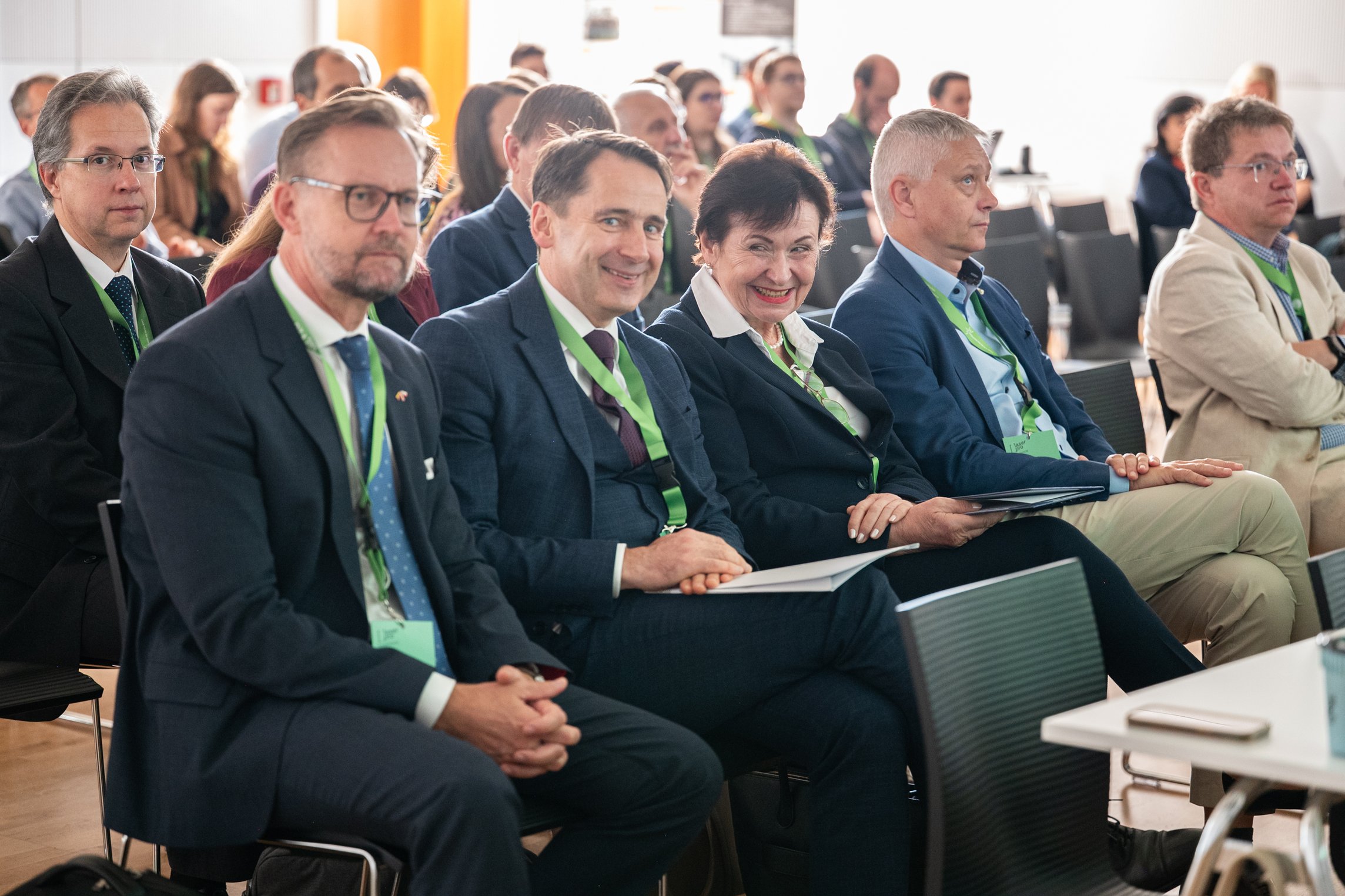
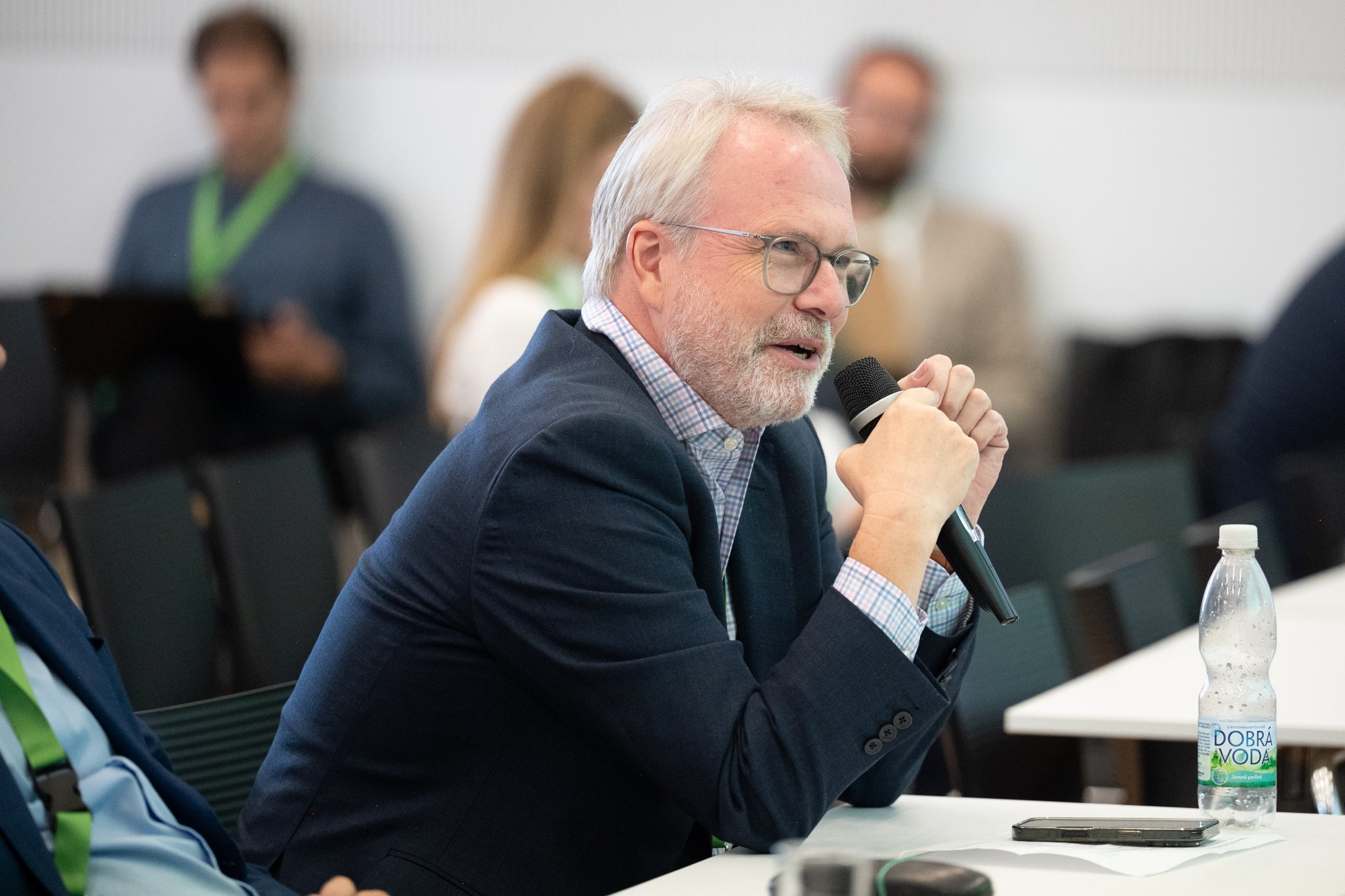
The conference, Laser Technologies as a Strategic Asset for Europe, brought together researchers, industry representatives, startups, innovation agencies and public authorities from across Europe. For LASER-PRO, it was also an opportunity to look beyond individual technologies and ask a broader question: what does Europe need to turn excellent science into real industrial and economic impact?
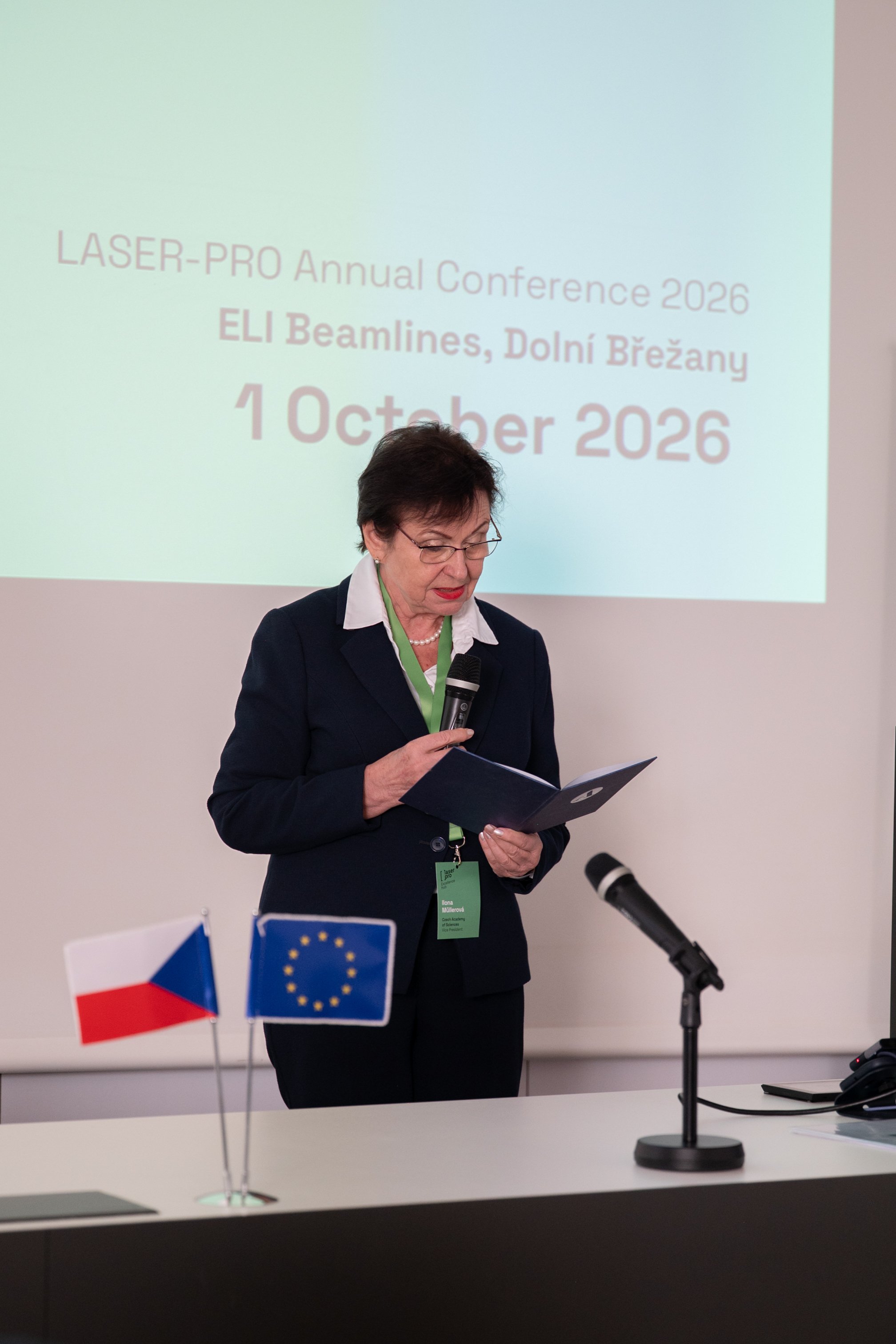
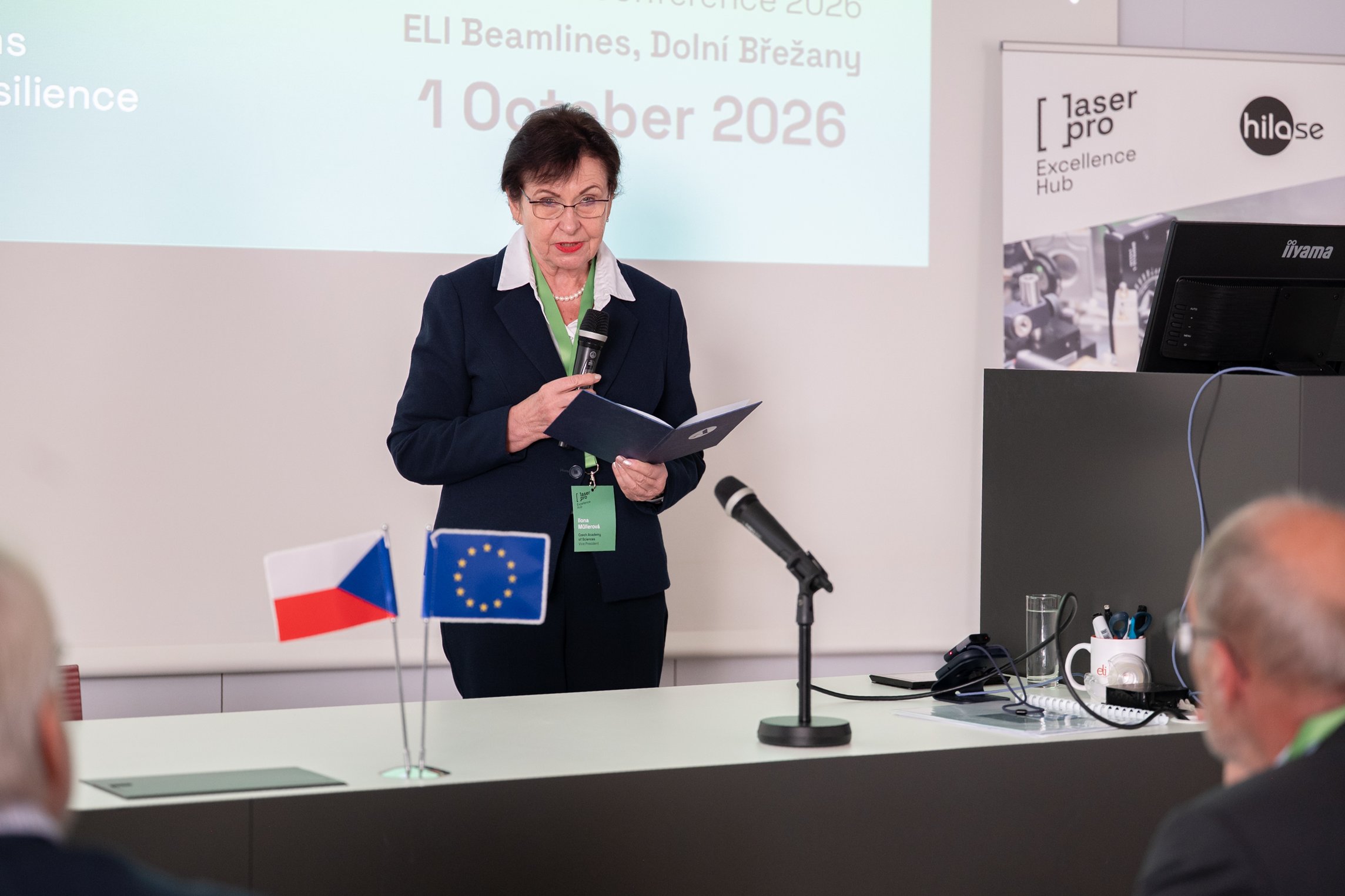
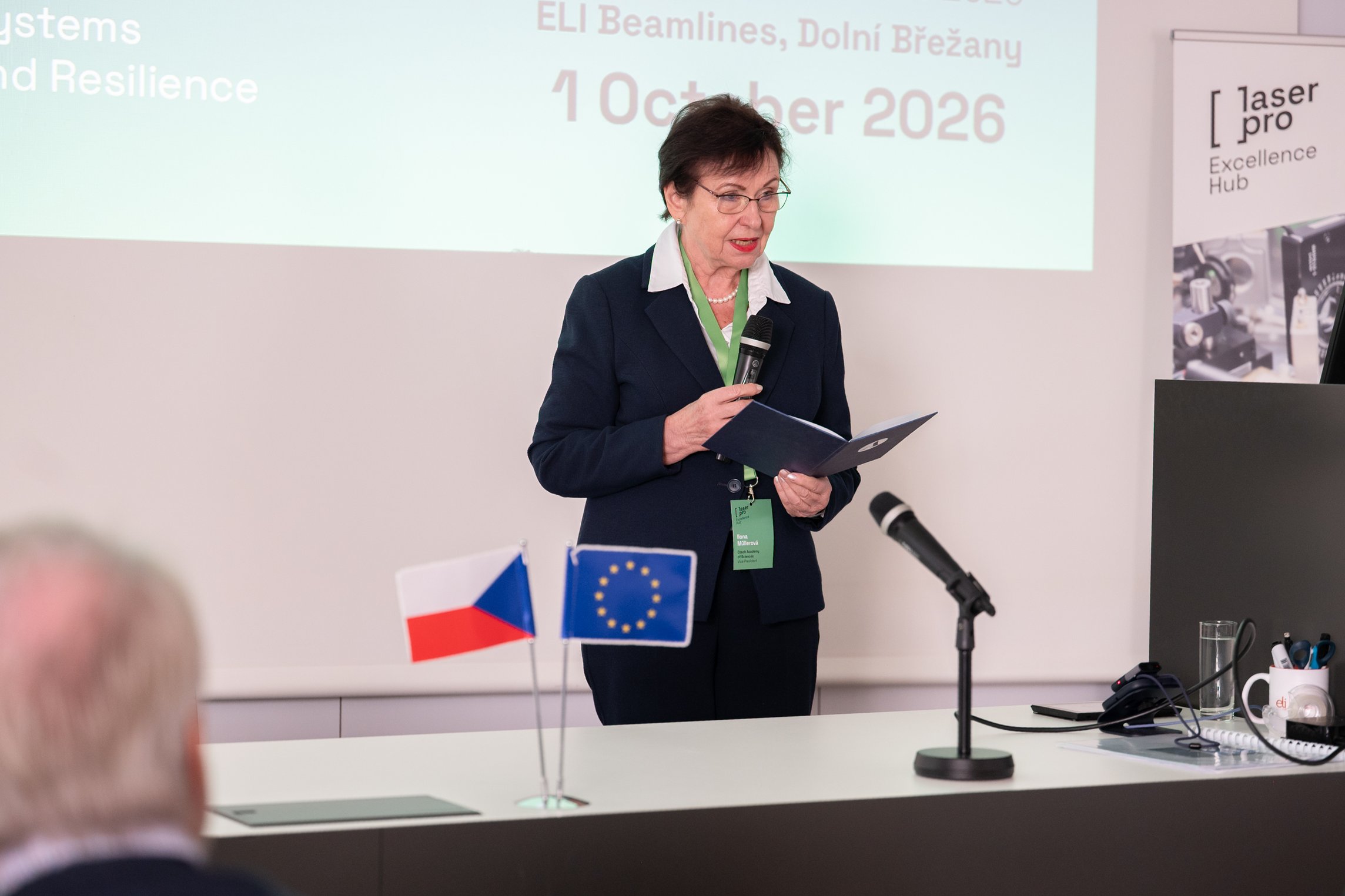
The conference was opened by Ilona Müllerová, Vice President of the Czech Academy of Sciences, who picked up on its central theme. “How to move from excellent science to real economic and societal impact is, in my view, becoming increasingly important for European research and innovation,” Müllerová said, adding that scientific excellence must remain the foundation, but research creates real value when it moves beyond the laboratory and leads to new technologies, products and solutions.
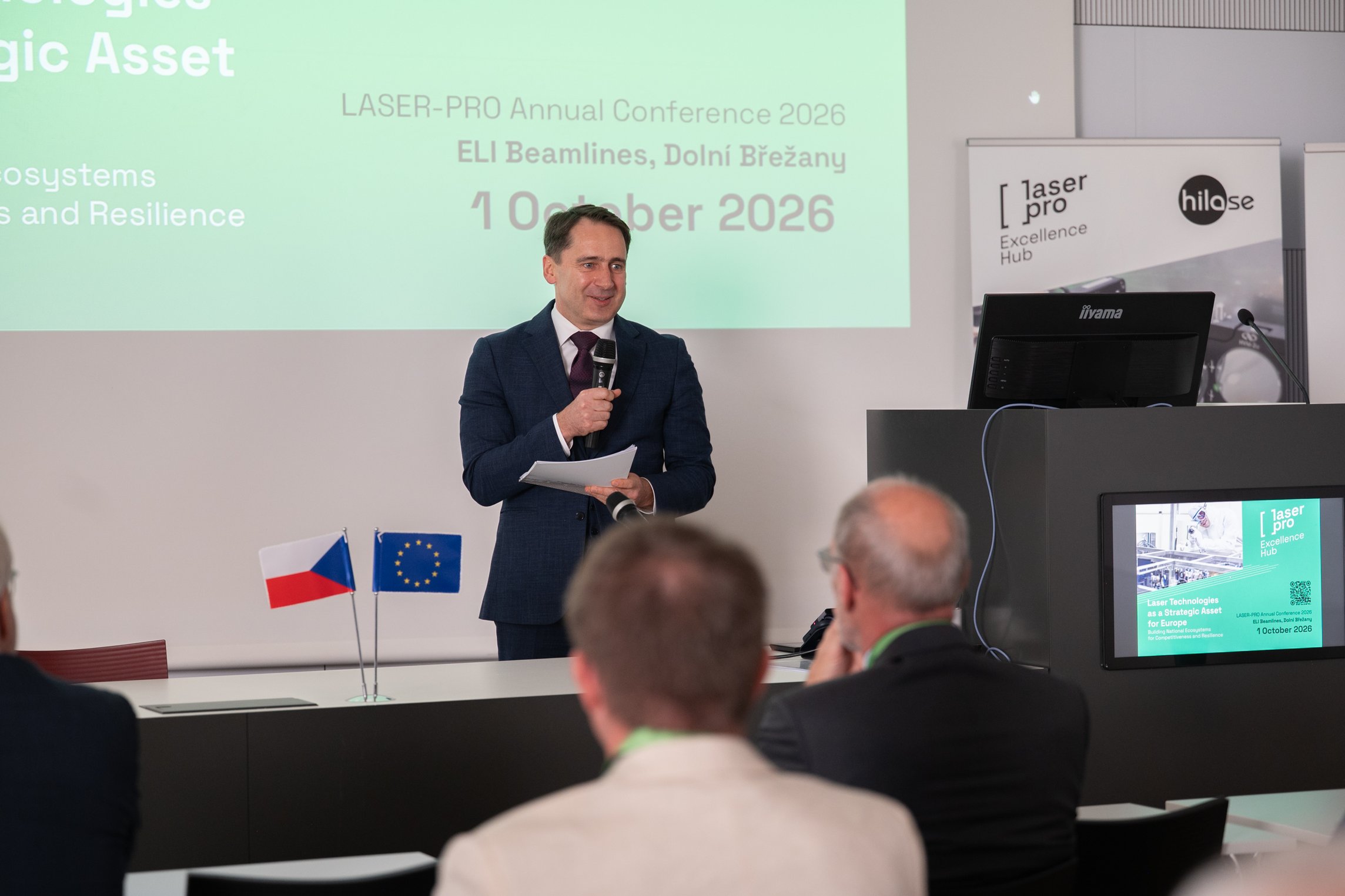
Sigitas Mitkus, Vice-Minister of Foreign Affairs of Lithuania, highlighted how crucial international cooperation and strong cross-border partnerships are for strengthening Europe’s research and innovation ecosystem.
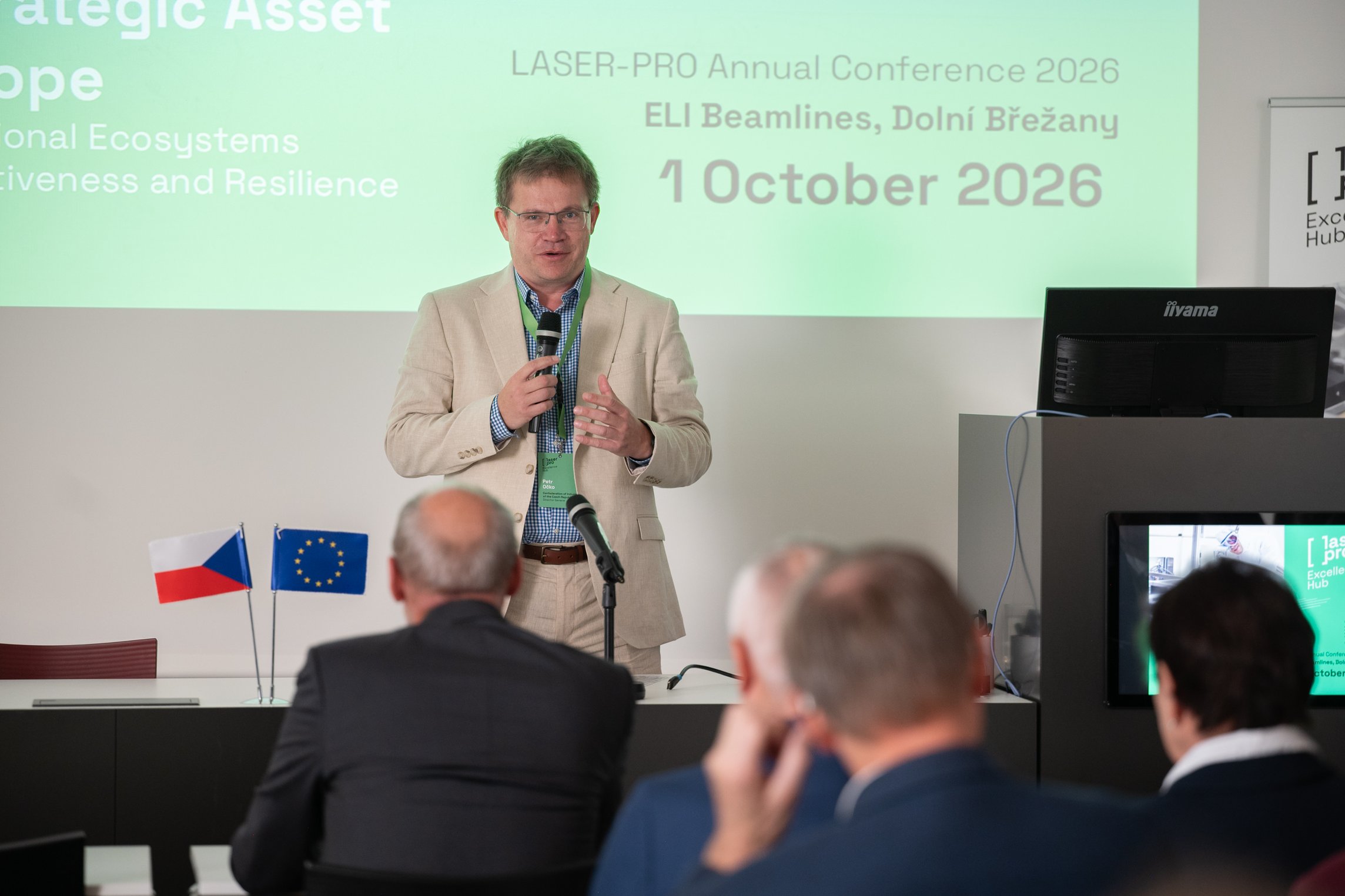
Petr Očko, Director General at the Confederation of Industry of the Czech Republic, emphasised the need to connect research and industry and turn technological excellence into greater competitiveness and business opportunities.
Scientific excellence is not enough
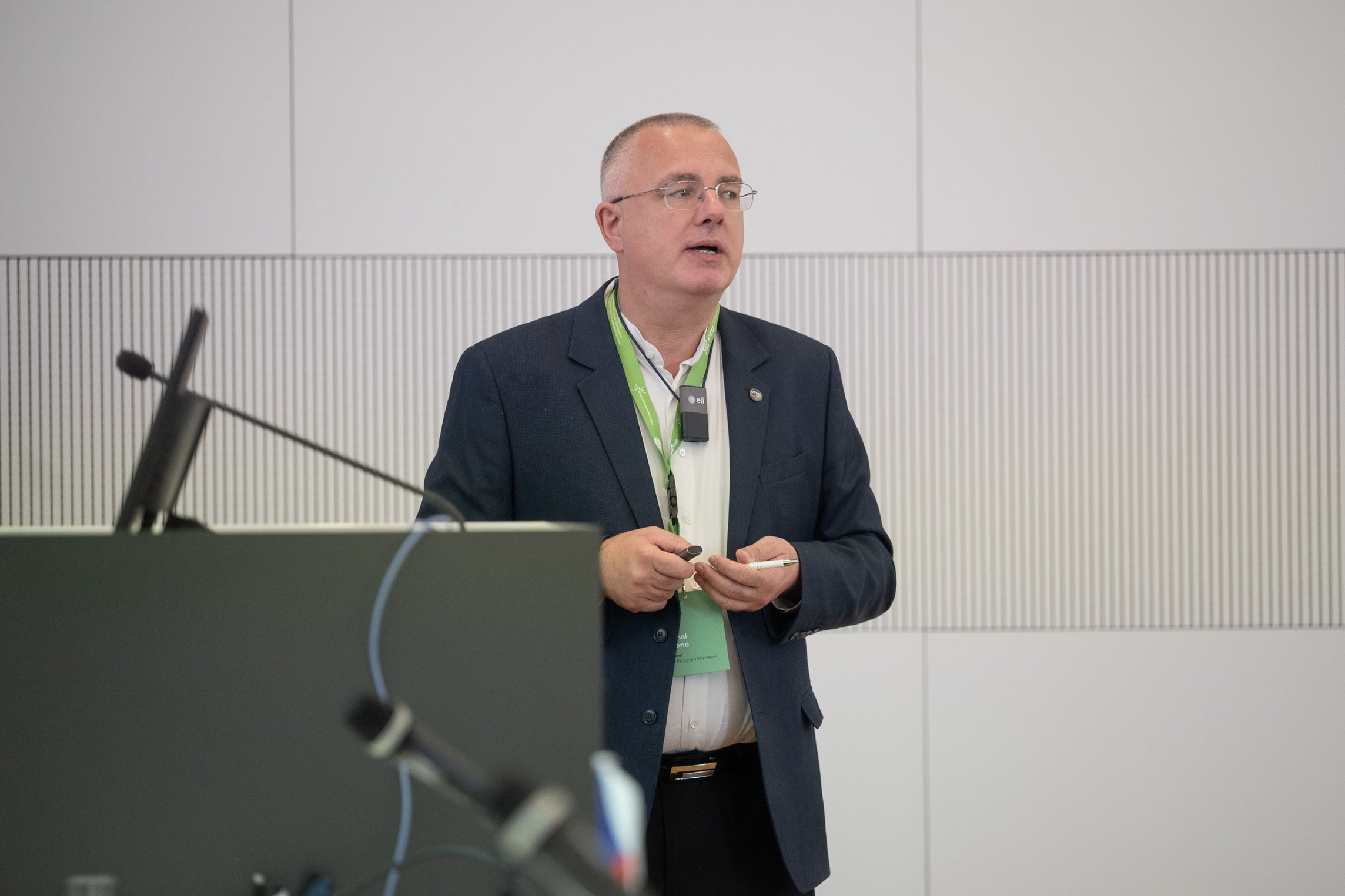
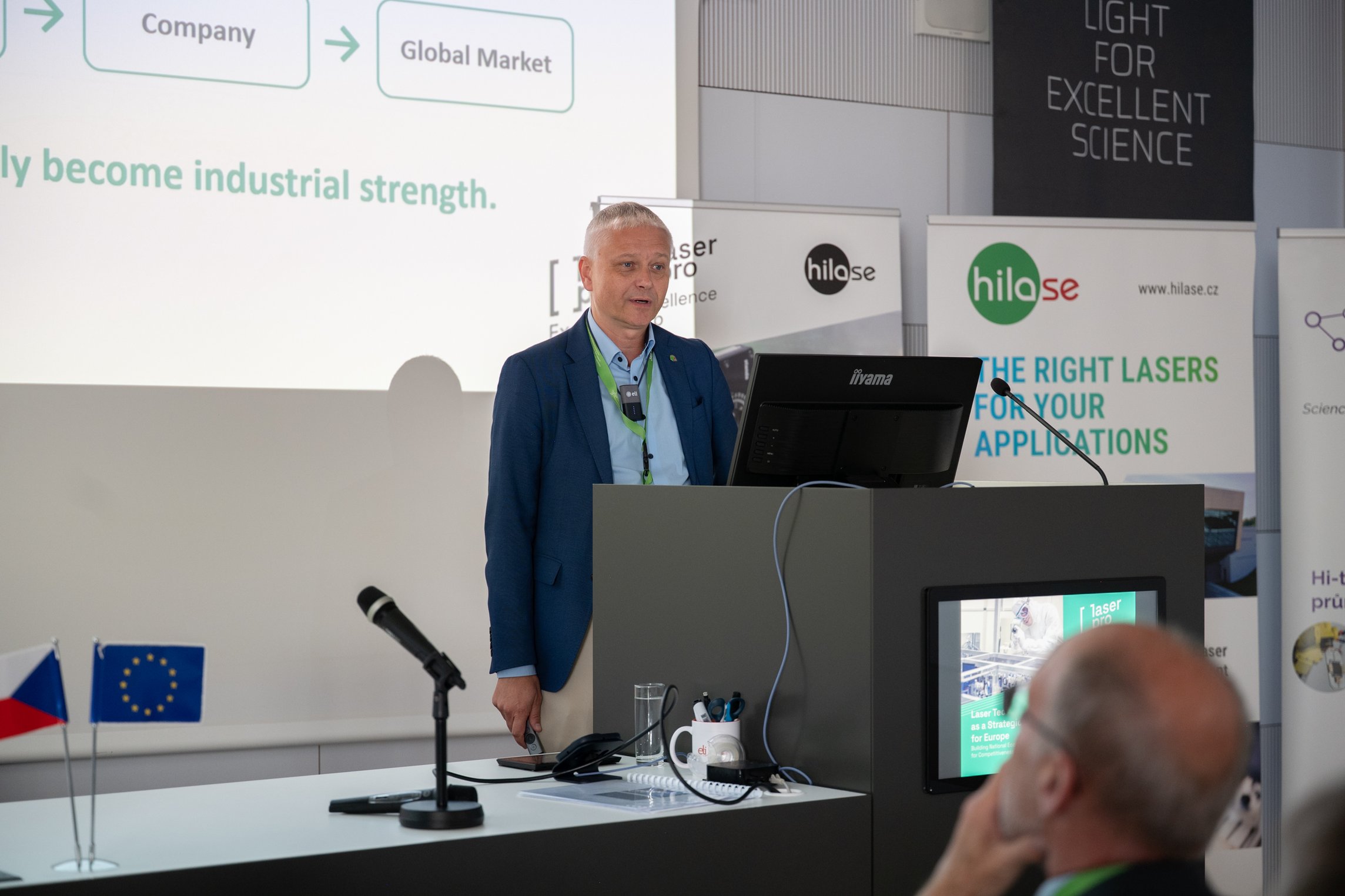
“Europe has the science. Can we capture the value?” asked Tomáš Mocek, Head of the HiLASE Centre and LASER-PRO project coordinator, in his opening presentation.
Europe has a strong scientific position. The weaker point is often the journey from discovery to technology, from technology to product, and eventually to a company capable of succeeding on the global market. Scientific excellence alone does not automatically translate into industrial strength.
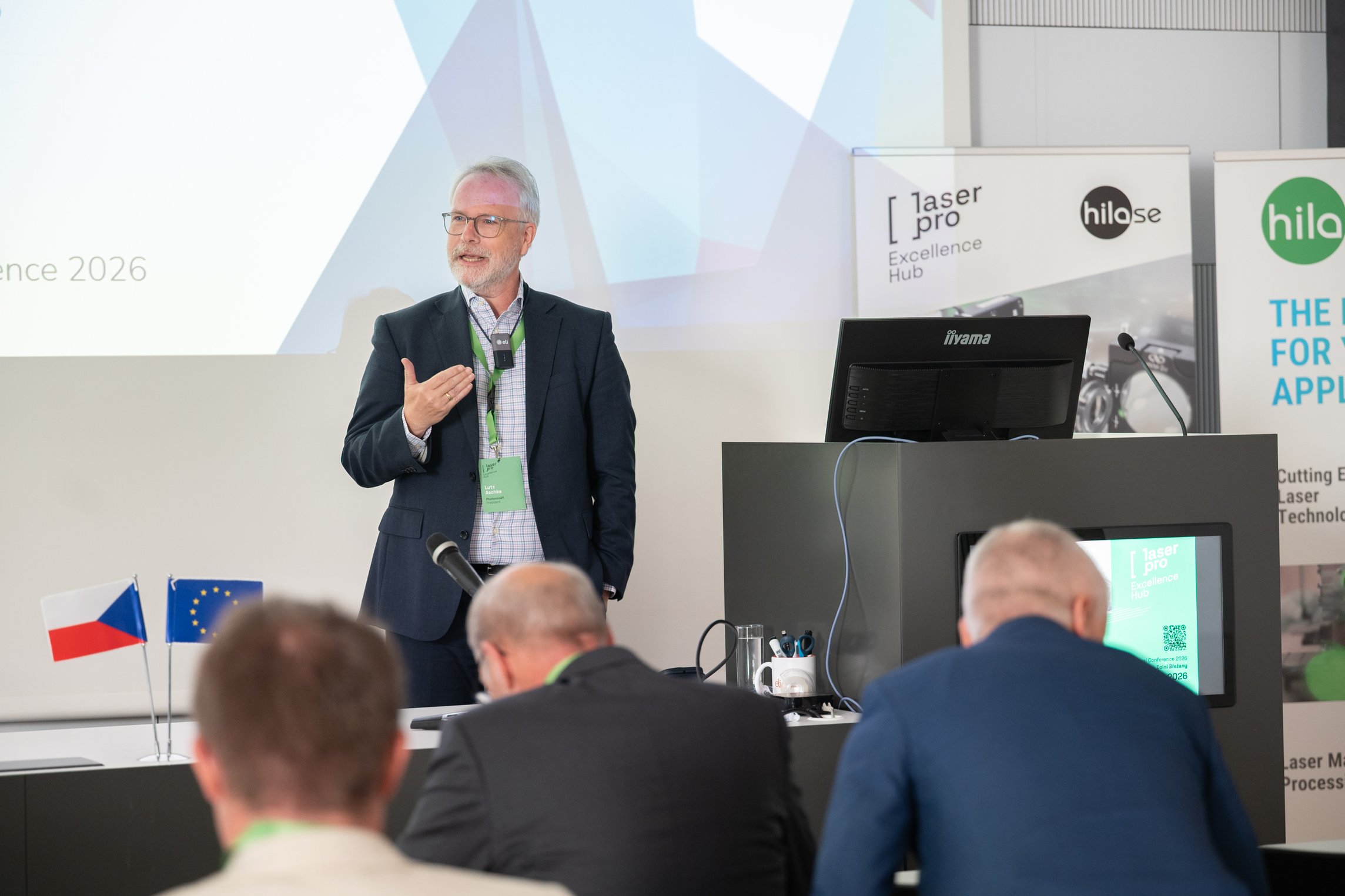
For laser technologies, this question is particularly relevant. Lasers are no longer confined to highly specialised applications. They have become enabling technologies for semiconductor manufacturing, advanced production, space technologies, security and defence, and life sciences. This makes advanced laser technologies not only a field of scientific excellence, but a strategic enabling capability for European industry and competitiveness.
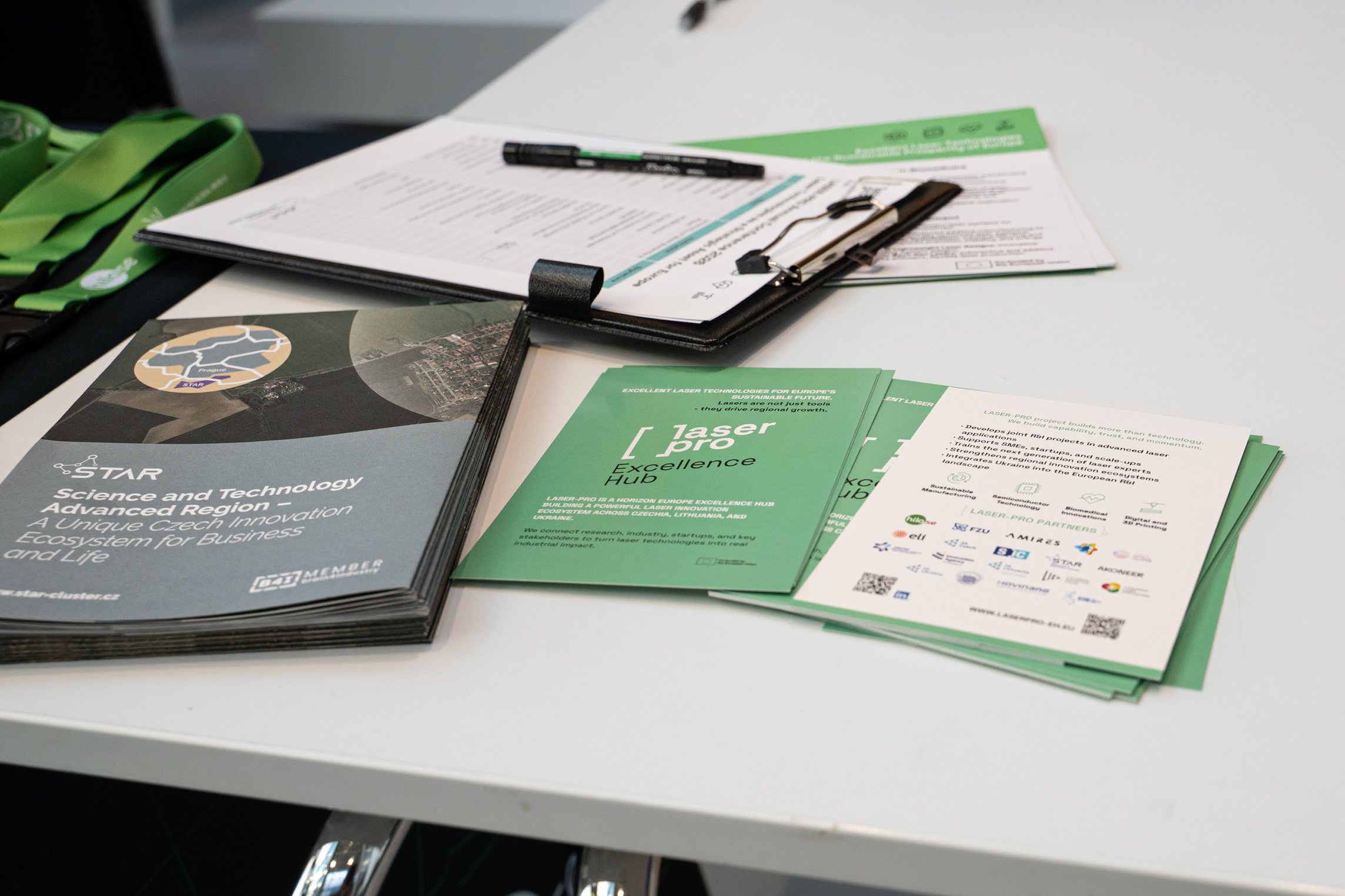
This is also where LASER-PRO has an important role to play. Since 2025, the project has connected 18 partners from Czechia, Lithuania and Ukraine to build a cross-border Excellence Hub for laser technologies. Alongside joint research, it focuses on science-industry collaboration, technology transfer, startup and spin-off support and talent development.
The project is already producing measurable results: four joint research and innovation demonstrators, 14 science-business initiatives, 534 industrial stakeholders engaged and more than 150 Ukrainian organisations involved.
Learning from Eindhoven and Lithuania
Building a successful innovation ecosystem takes time - and there is much to learn from places where this connection between research, industry and entrepreneurship already works.
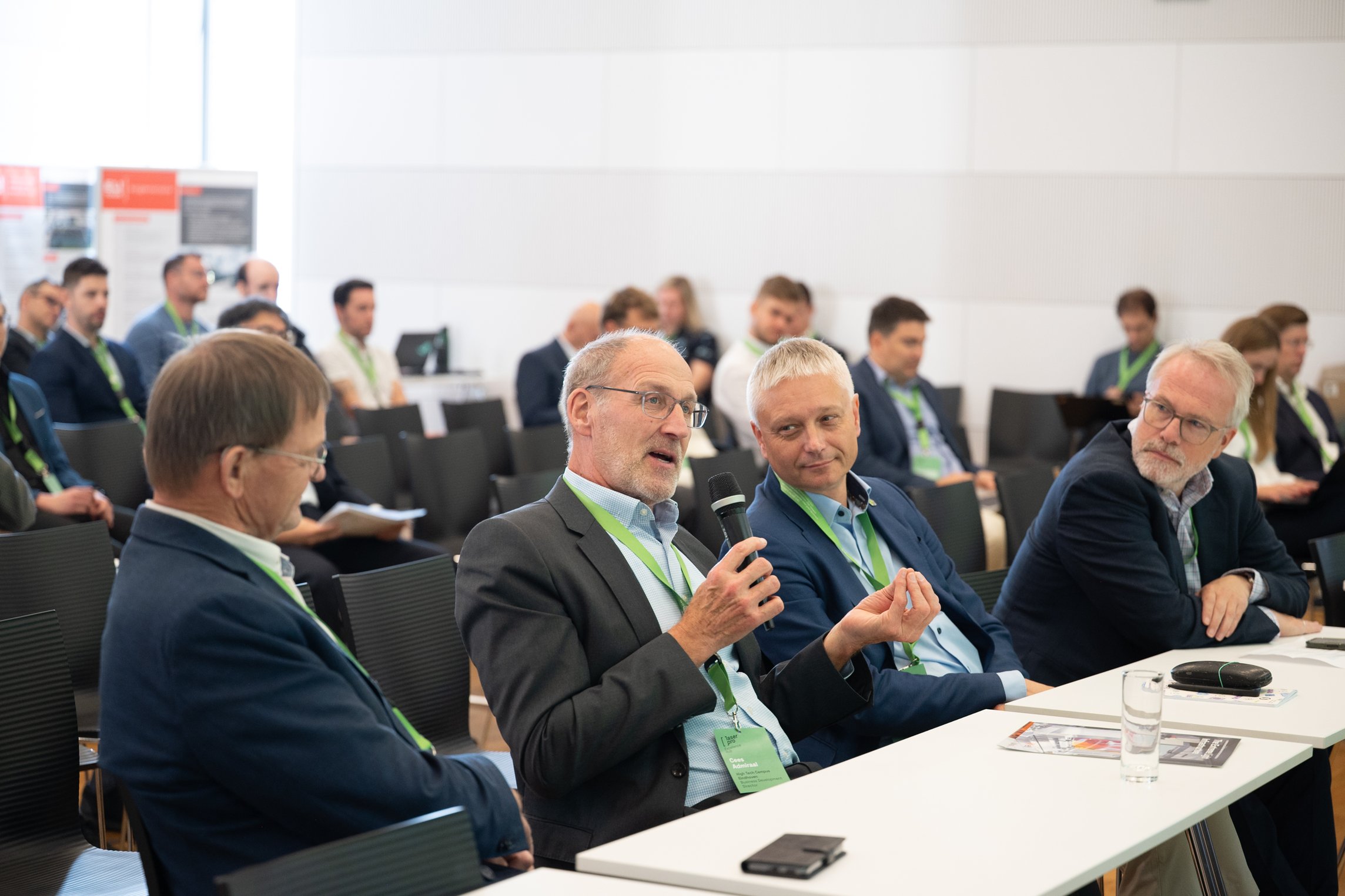
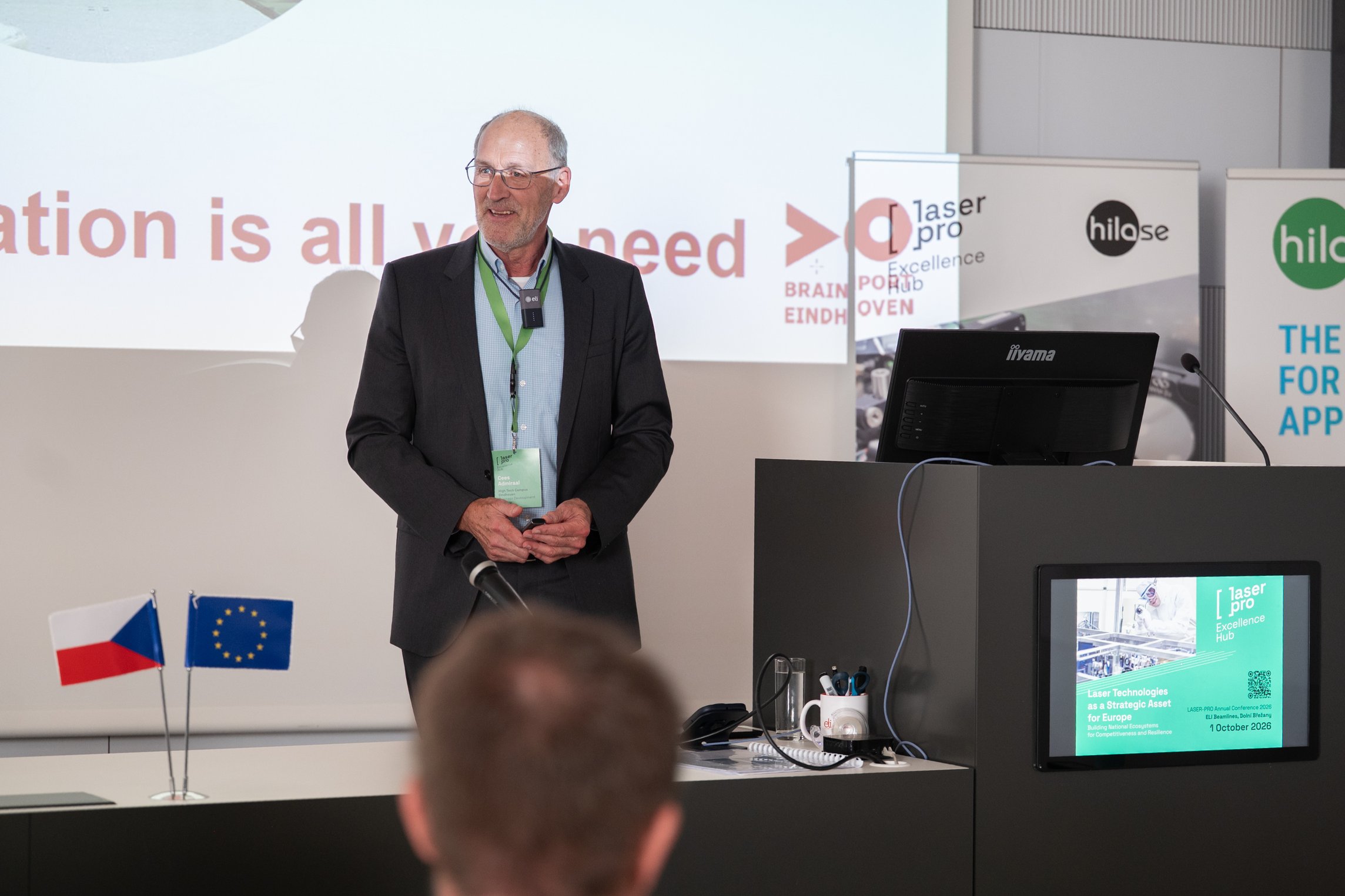
Cees Admiraal from High Tech Campus Eindhoven presented Brainport Eindhoven, home to 60% of the Dutch high-tech industry and companies including ASML, NXP, Philips and DAF. More than 76,000 people work in high-tech industries in the region, including over 22,500 in private research and development.
But perhaps even more interesting than the numbers is the story behind them. Brainport did not emerge from a perfect master plan. It grew partly from the industrial transformation around Philips and from the necessity to cooperate. Over time, this created a dense network of companies, research capacities, talent and supply chains connected by a shared agenda across industry, research, education and the public sector.
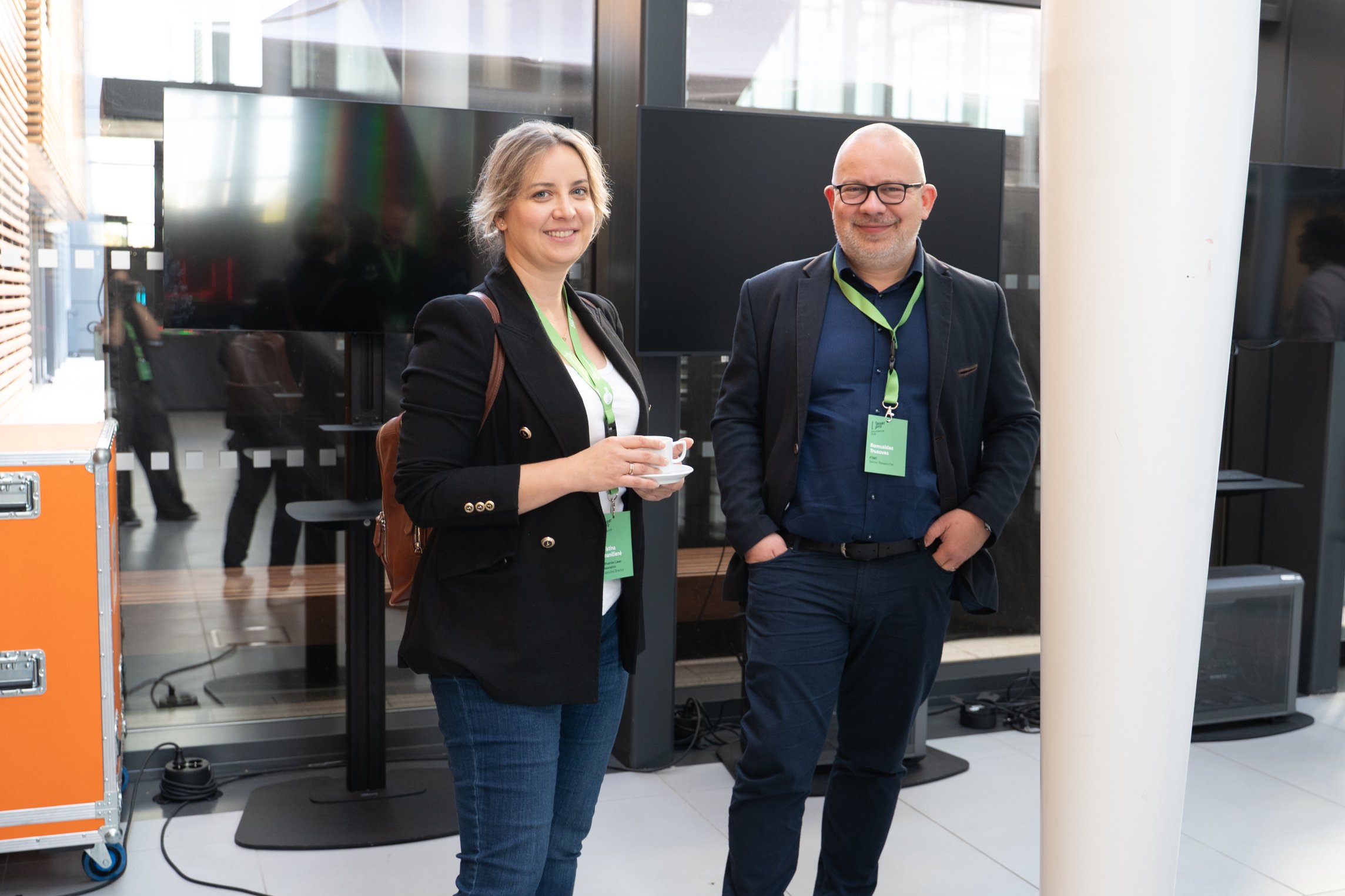
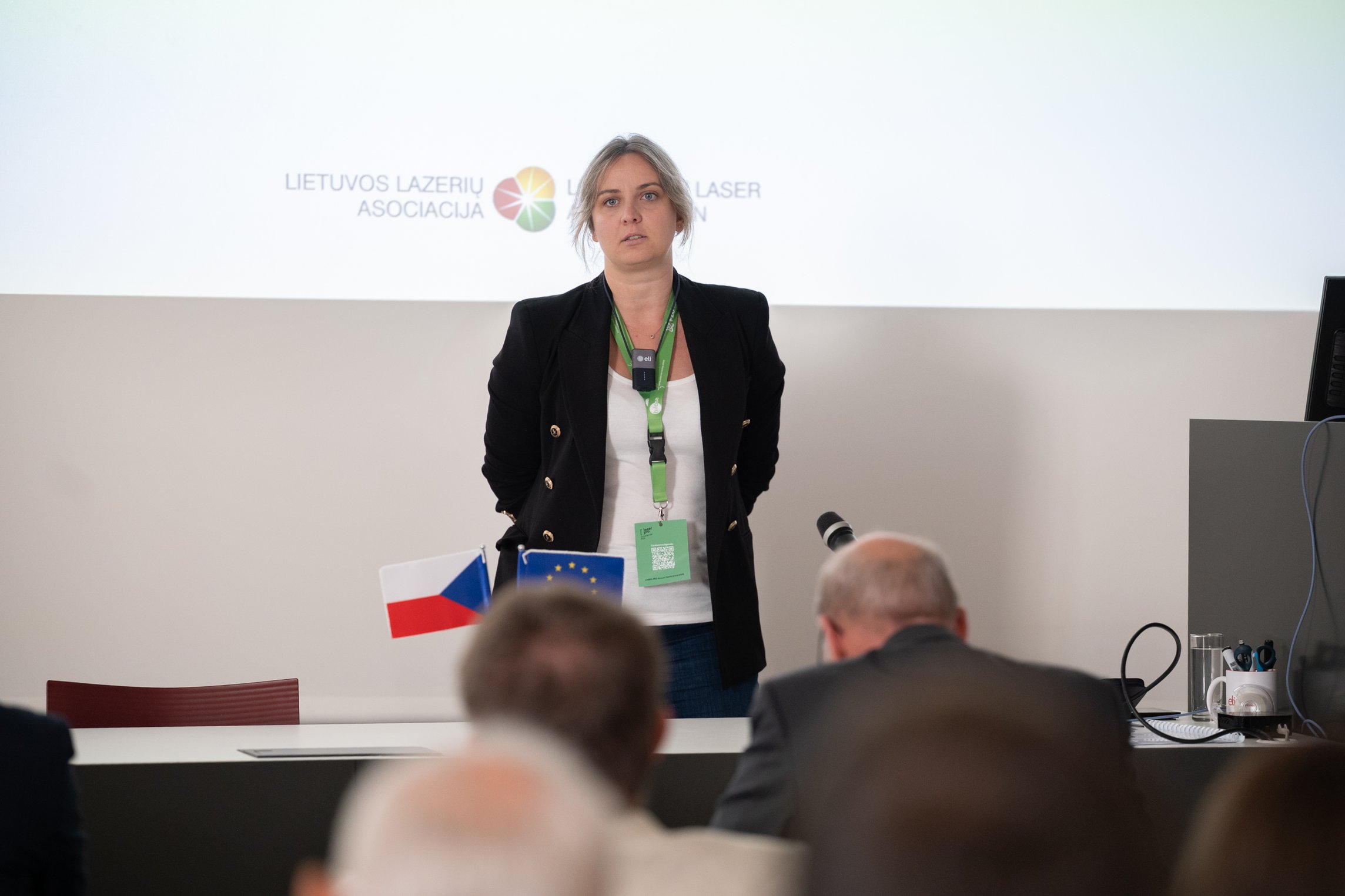
Lithuania offers another important example - and one that is particularly relevant for LASER-PRO. Kristina Ananičienė from the Lithuanian Laser Association showed how, over six decades, Lithuania has built an environment where research institutions, laser manufacturers and fast-growing technology companies work side by side.
These experiences are particularly relevant for LASER-PRO because the project brings together two strong but different laser innovation ecosystems in Czechia and Lithuania. Lithuania contributes a highly developed photonics ecosytem with close links between science and business, while Czechia brings excellence in advanced laser technologies, large-scale research infrastructure and industrial applications. The Excellence Hub also works closely with Ukrainian partners, supporting knowledge exchange, training, mentoring and stronger connections with European research and industry networks.
This complementarity is central to the LASER-PRO approach: learning from each other, building stronger cross-border links and turning scientific capabilities into greater industrial and economic impact.
Research starts with the question of future use
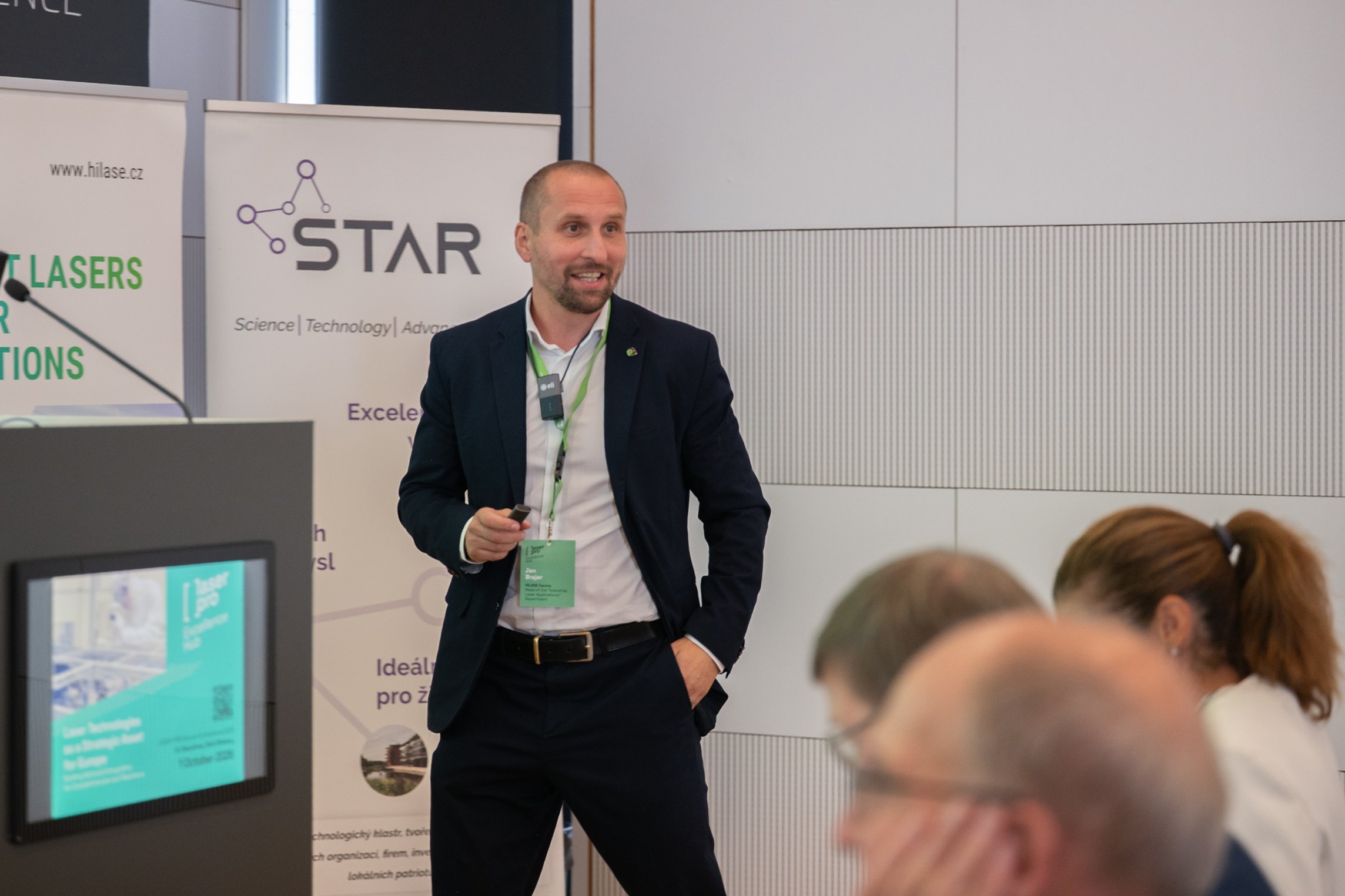
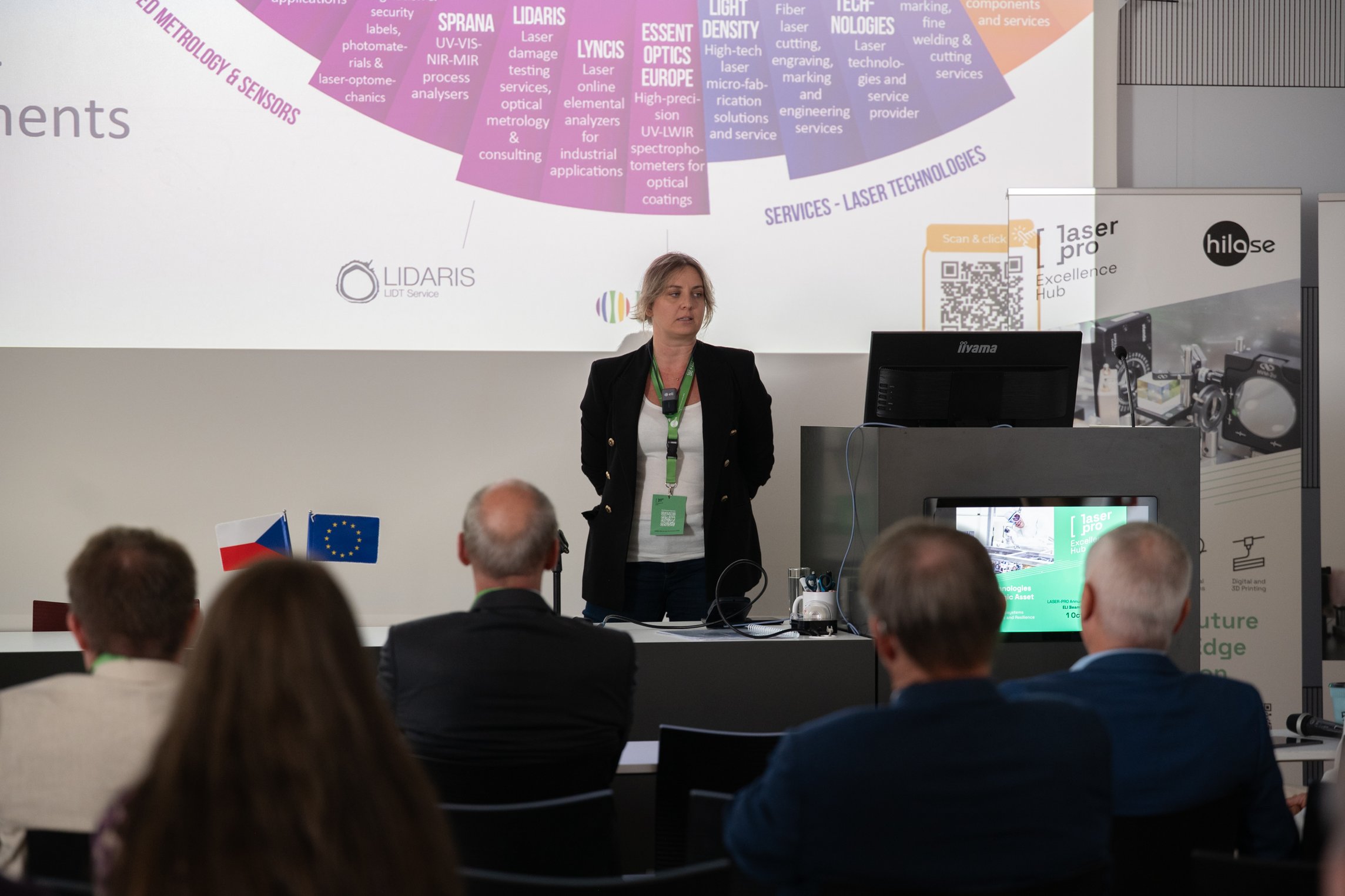
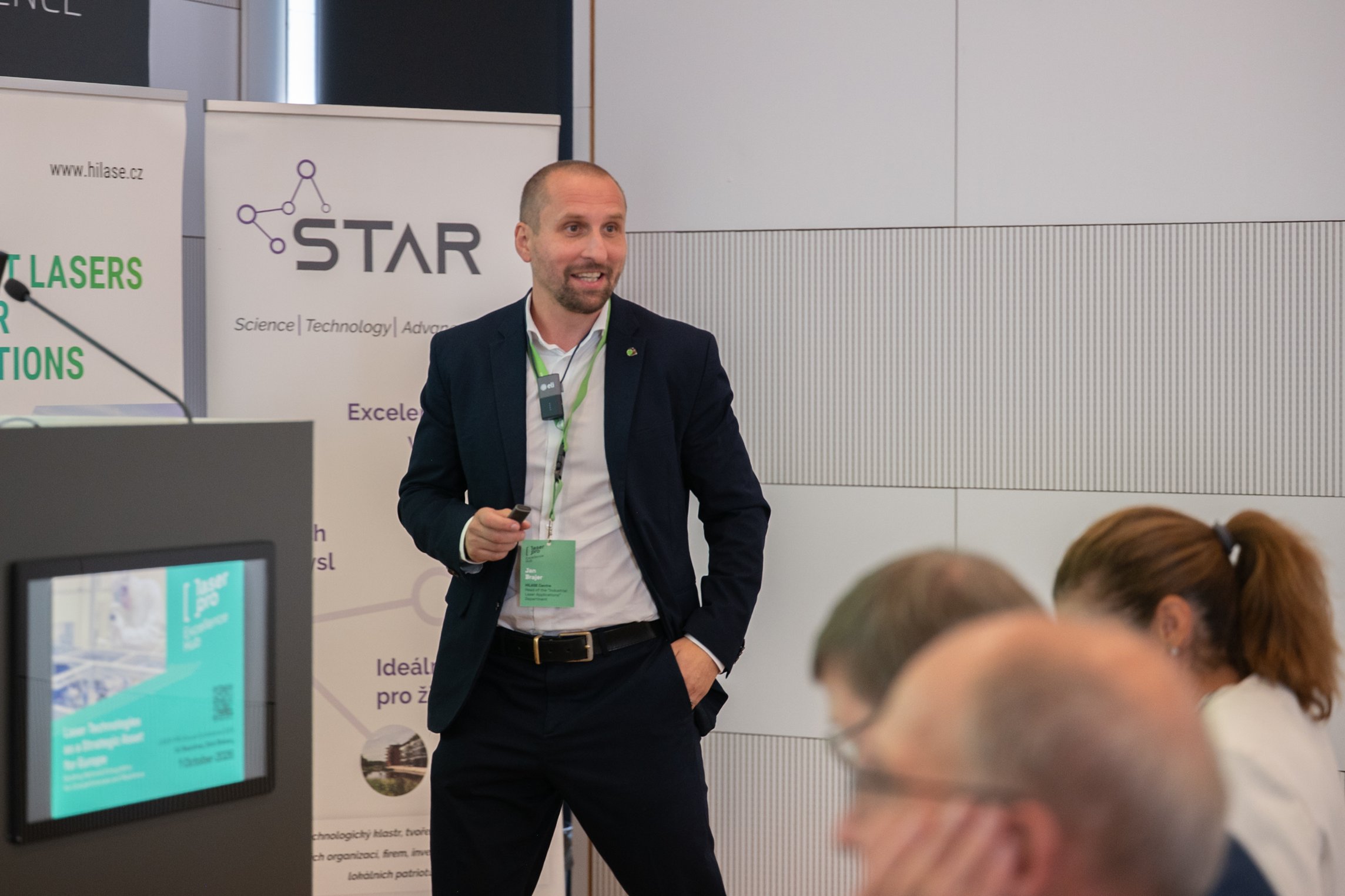
Jan Brajer from HiLASE brought the discussion back to research itself. His simple statement - “Today’s research shapes tomorrow’s applications” - captured much of the discussion throughout the day.
HiLASE aims to move from individual industrial projects towards long-term strategic partnerships. By 2030, it plans to build a portfolio of ten such partners, working together on joint projects and technology roadmaps. This is part of HiLASE’s broader ambition to evolve from a research centre into an innovation engine, combining scientific excellence with technology development, industrial co-creation and technology transfer.
The idea is simple: research and industry need to meet much earlier - not only once a technology has been developed and researchers start looking for someone who might use it.
From laboratory to company
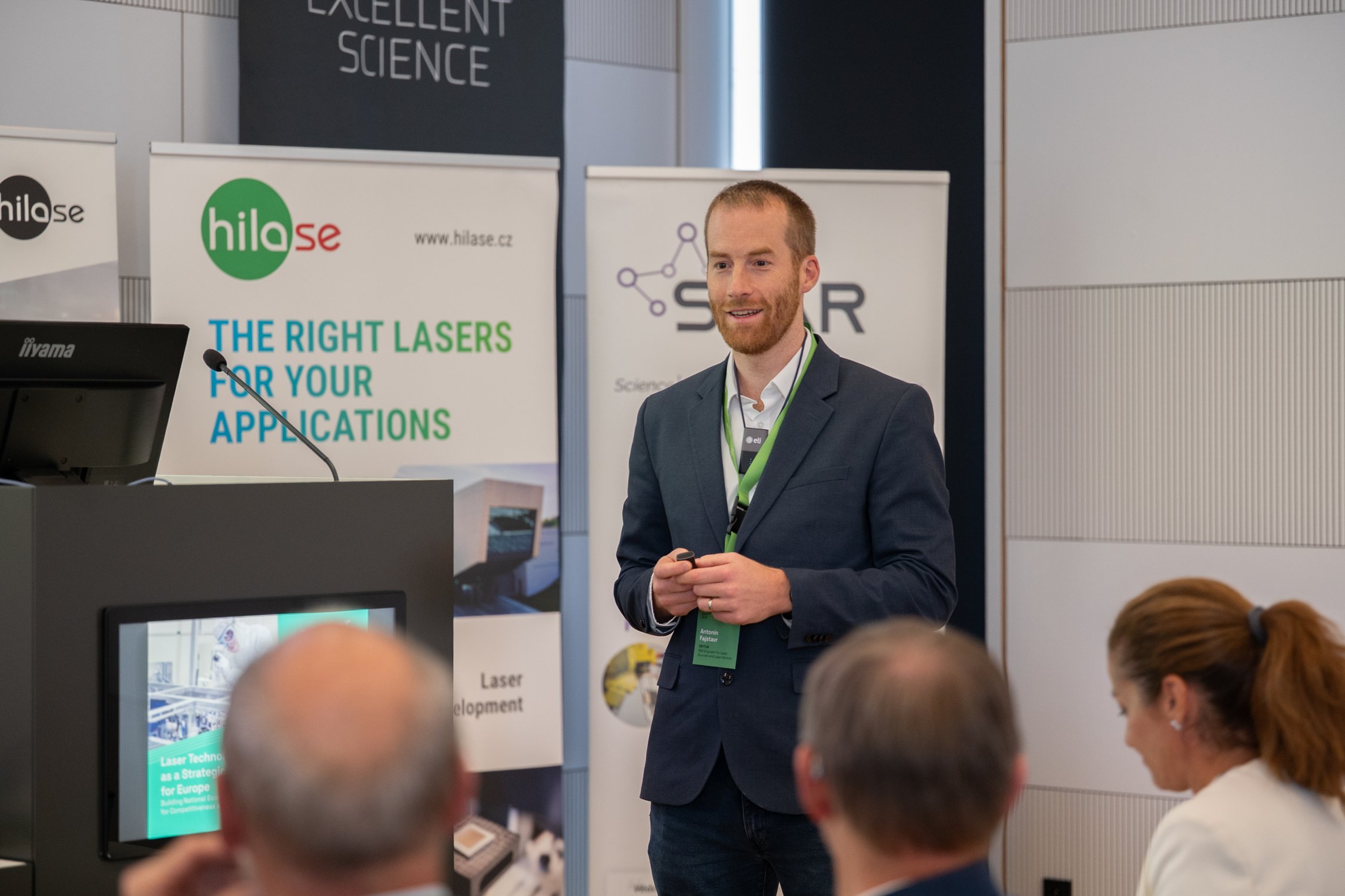
The conference also showed what this journey can look like in practice. Experiences from onsemi, IQS Group, CRYTUR and CARDAM were complemented by stories of new technology companies emerging from research environments.
Matyáš Dvořák from Celestia Energy presented the development of laser-based wireless power transmission for applications on the ground, in the air and in space - as well as his own journey from scientist to company founder.
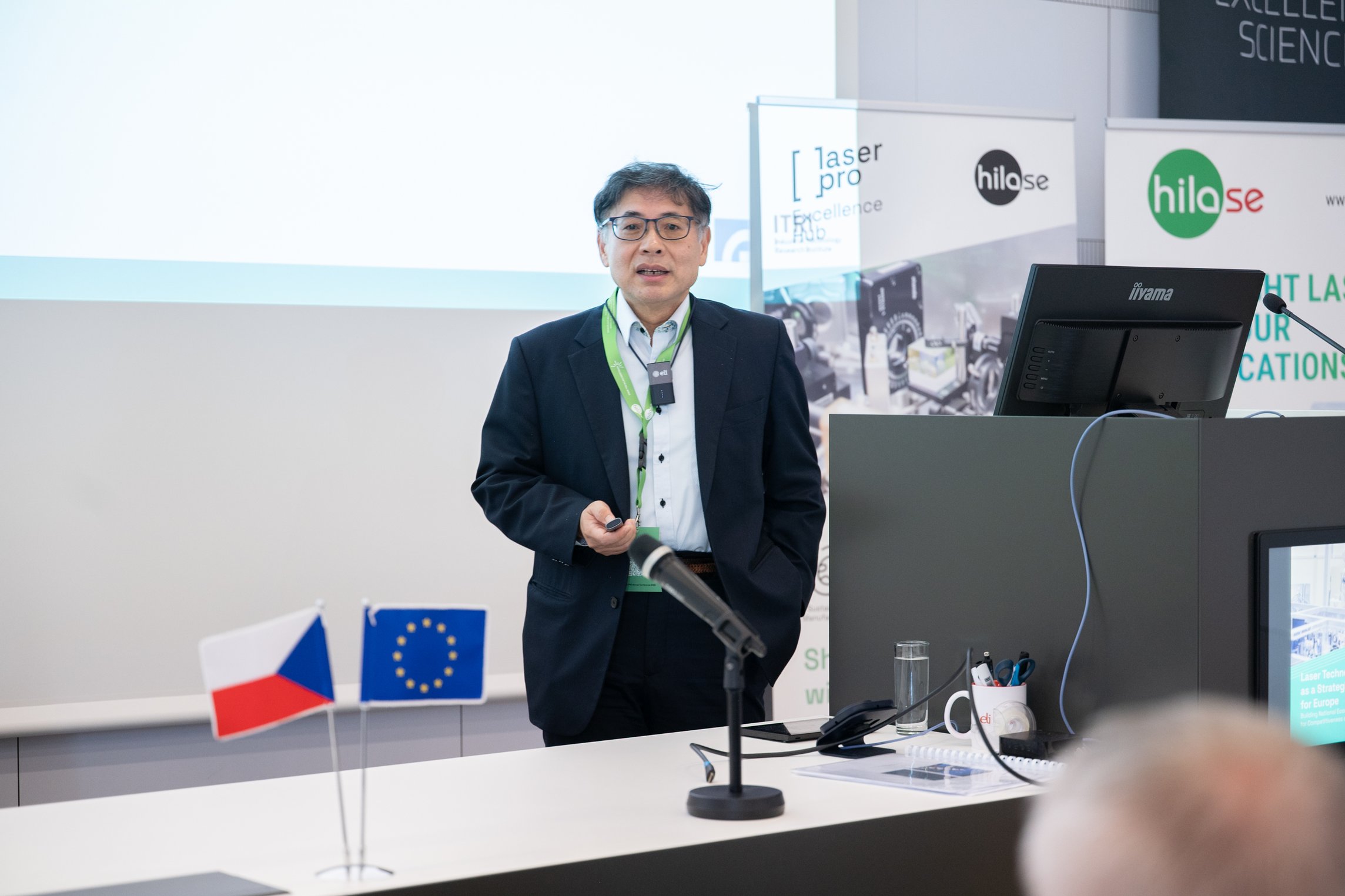
Eric Chang from Taiwan's ITRI offered another perspective. ITRI works systematically in the space between research and the market, developing technologies for commercialisation, connecting academia with industry and incubating new companies. In 2025 alone, it provided more than 22,000 services to industry and transferred 695 technologies into practice.
The message was crystal clear: Europe does not only need better technology transfer. It also needs more scientists willing and able to become entrepreneurs – and an ecosystem that helps them make that transition.
Ambition, trust - and courage
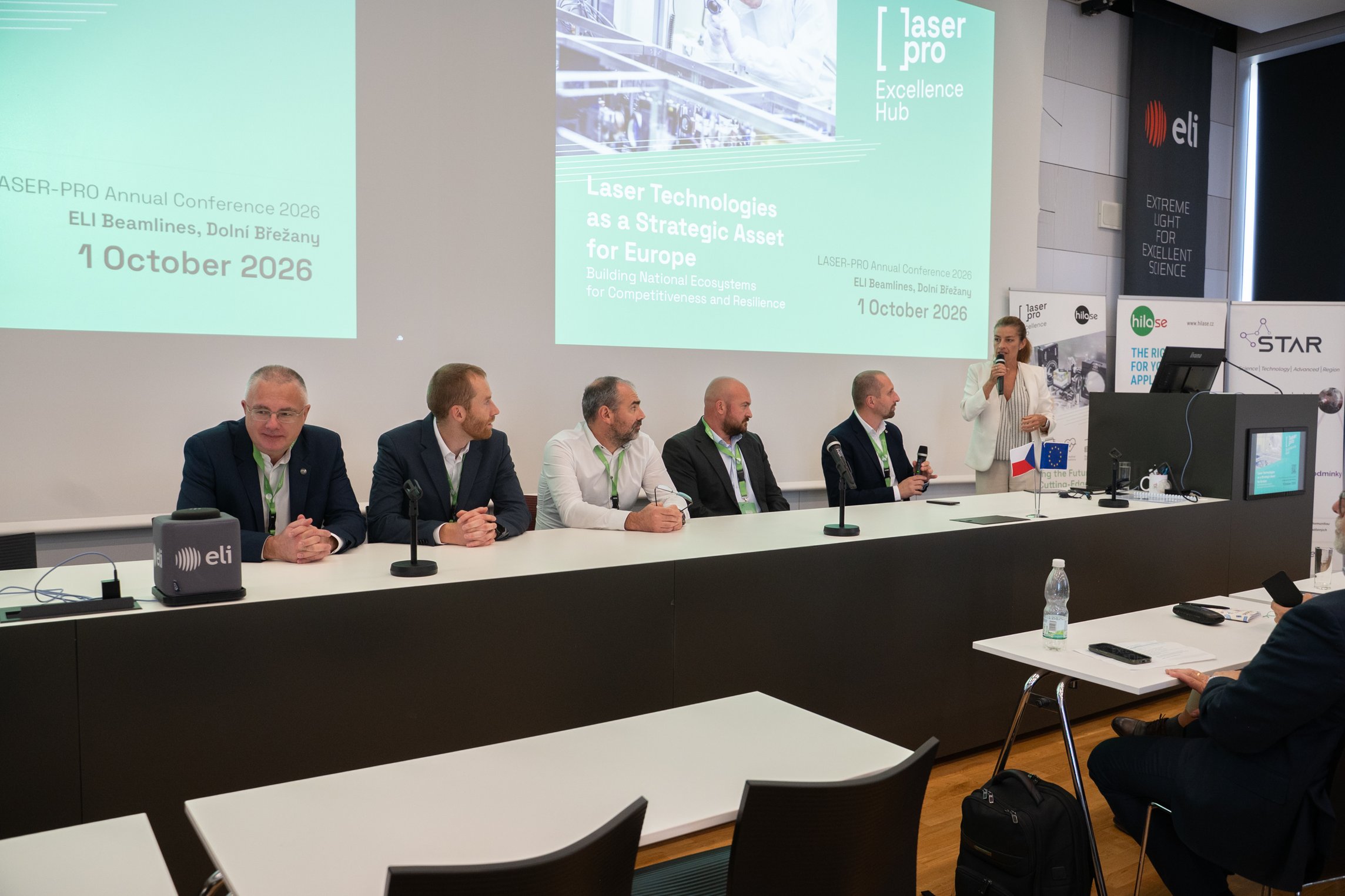
So what does Europe need to create more stories like these? In his closing remarks, Tomáš Mocek highlighted several factors that have little to do with technology itself: greater ambition, mutual trust between research and industry, willingness to listen – and courage.
The courage of researchers to think from the beginning about where their work might one day be used. The courage of companies to engage in the development of new technologies. And the courage of people to leave the relative safety of a laboratory and start a company.
Perhaps this is one of the most important answers to the question that opened the conference. Europe already has scientific excellence. The next step is to create an environment in which a discovery can become a technology, a technology a product - and a product a successful company.
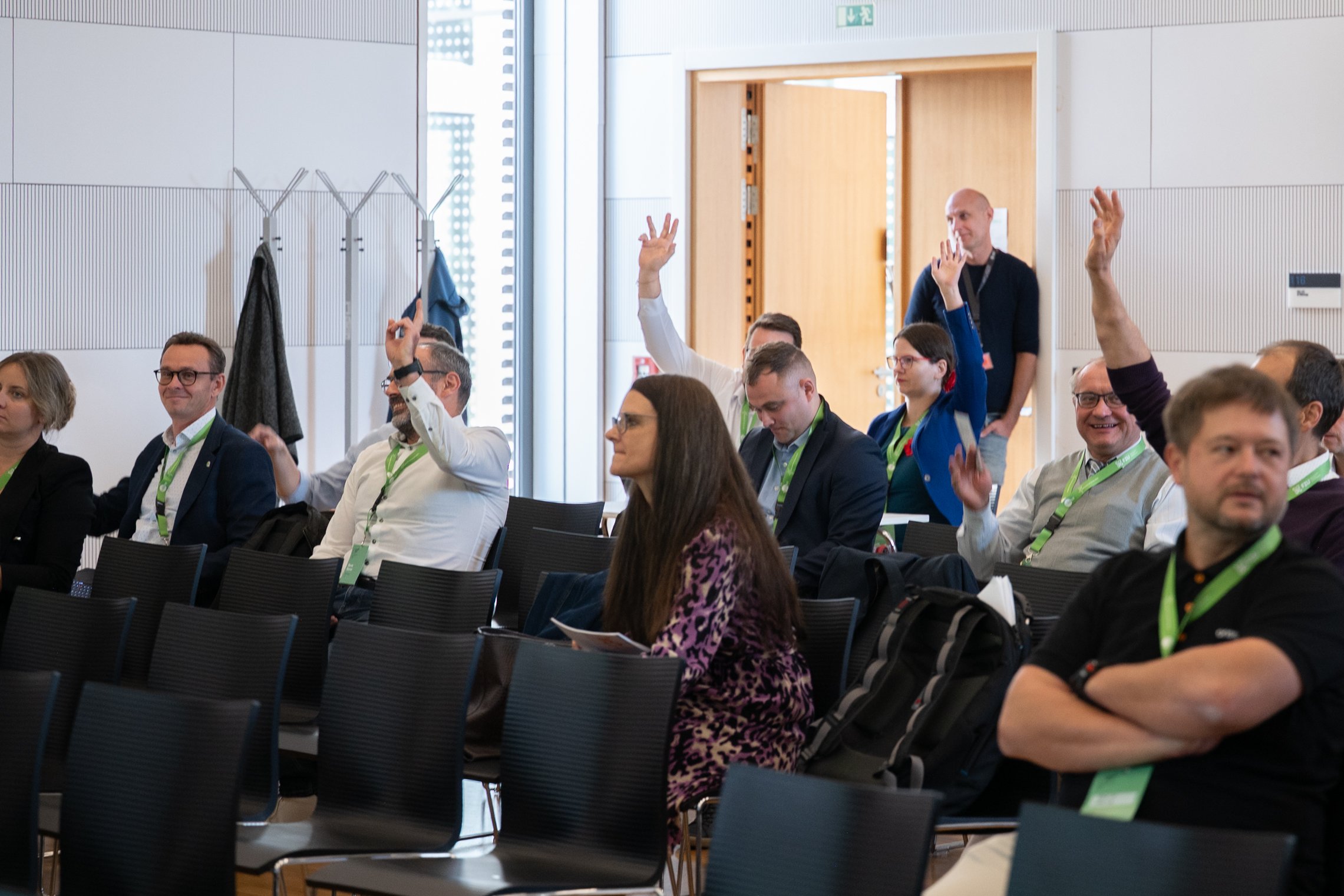
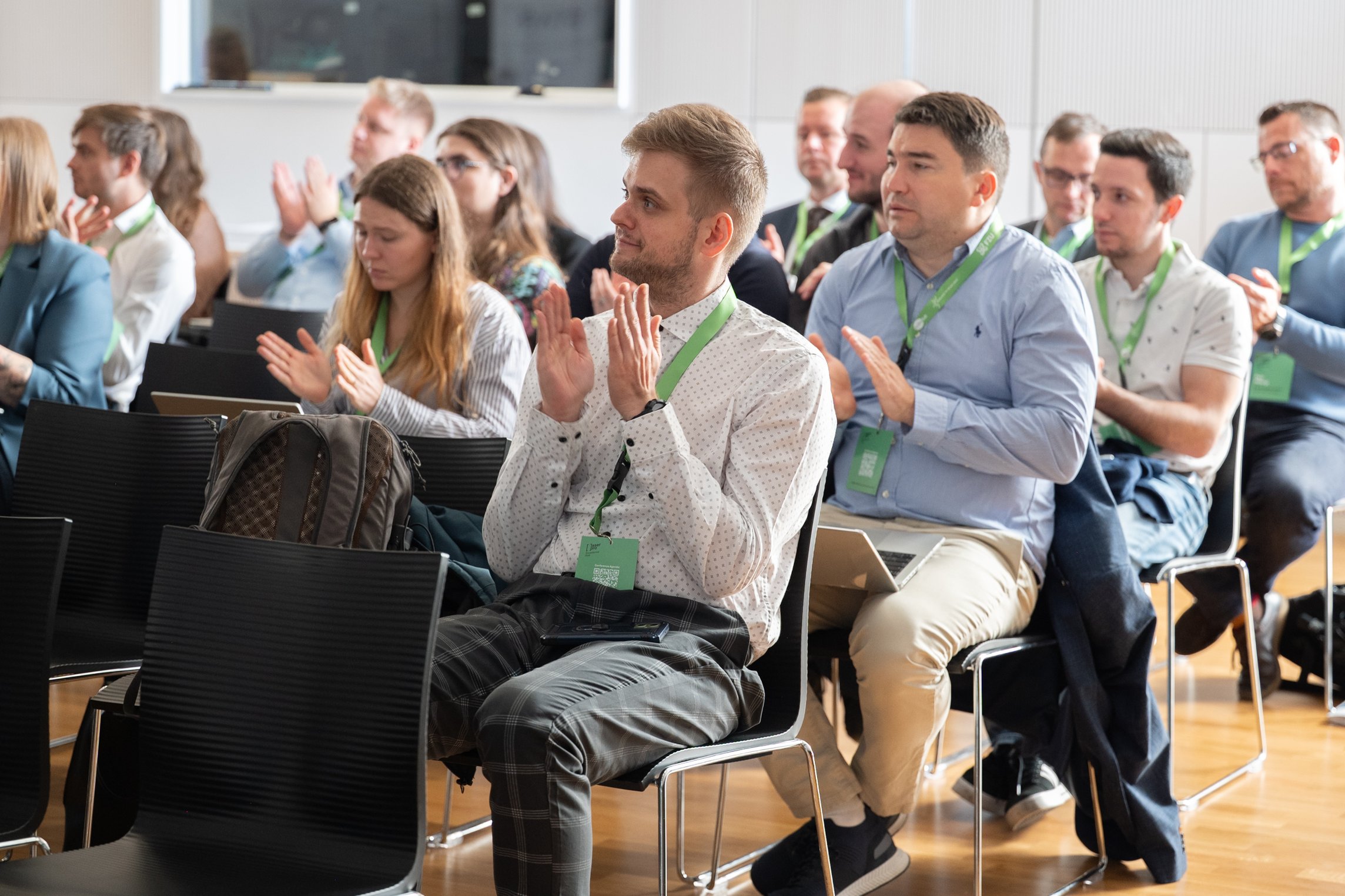
And this is precisely the kind of environment LASER-PRO aims to build. The open atmosphere of this year's conference and the discussions that continued well beyond the formal programme showed that LASER-PRO is becoming more than a project connecting 18 partners in three countries. It is gradually building a community of people who want to turn collaboration into something concrete.
Tomáš Mocek captured it in one sentence: “The real KPI is what happens because people met.” If those meetings lead to new technologies, partnerships and companies, LASER-PRO will have achieved what it was created for: turning European scientific excellence into industrial impact.