Advanced UV Laser Windows for High-Power Applications

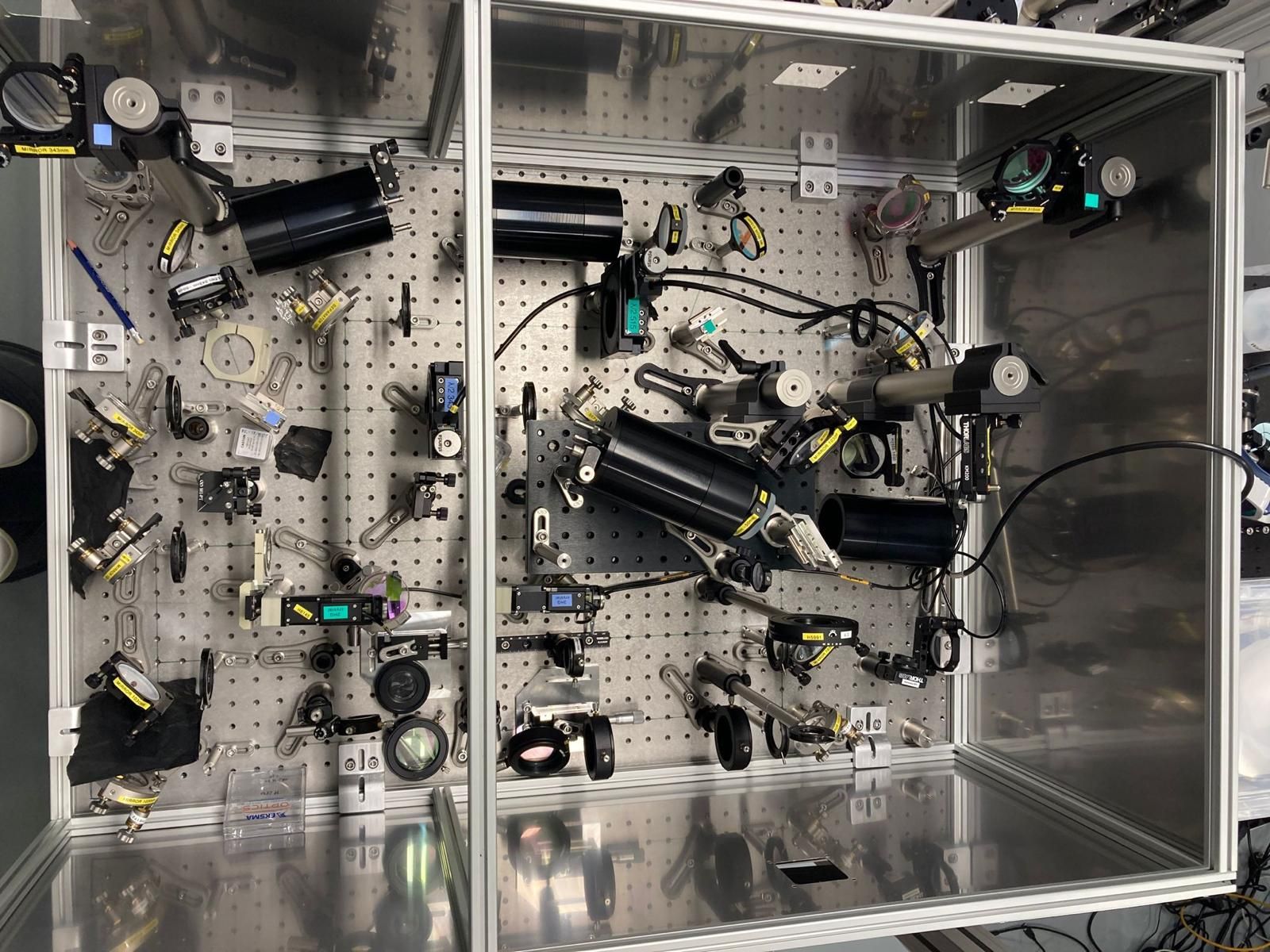

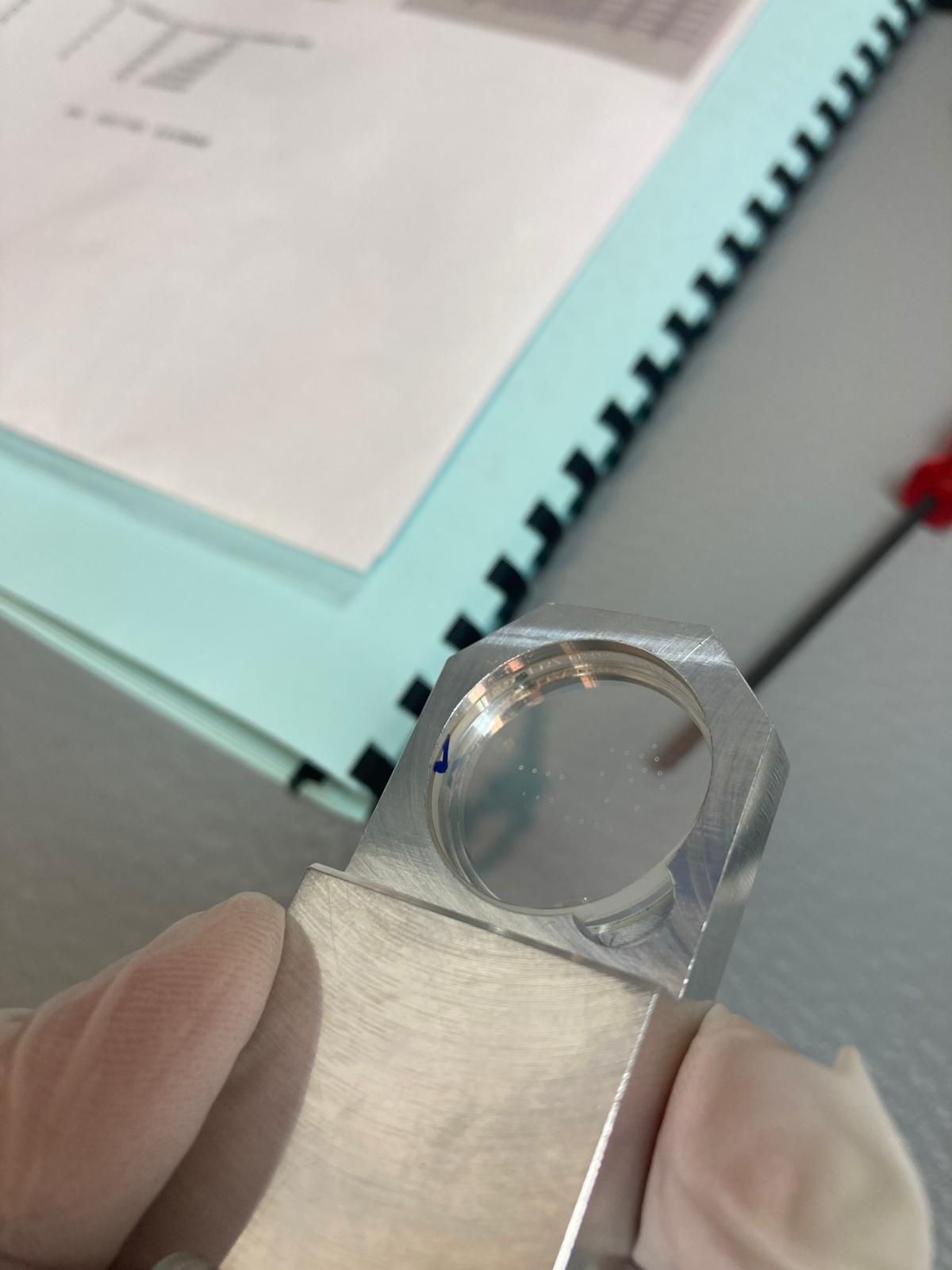
As part of the LASER-PRO project, FTMC and the HiLASE Centre collaborated on the development and testing of calcium fluoride (CaF₂) laser windows with anti-reflection coatings optimized for operation at 257 nm in the ultrashort-pulse regime. The aim was to improve optical performance and damage resistance under realistic laser conditions.
The newly prepared optical components were designed for picosecond laser systems, where high repetition rates and high average powers place significant demands on optical materials and coatings.
Smarter Coatings with Less Critical Materials, More Performance
FTMC prepared the laser windows using two substrate types:
- UV-grade CaF₂
- VUV-grade CaF₂
Both were benchmarked against a commercial, AR-coated, CaF₂ solution.
The key innovation lies in the anti-reflective (AR) coating, developed using the Glancing Angle Deposition (GLAD) technique.
What makes it interesting:
- The method creates porous nanostructures through a self-shadowing effect
- These layers have a lower effective refractive index
- By combining porous and dense layers, complex coatings can be built using just one material – silica (SiO2)
Silica proves to be a robust solution, delivering high resistance to laser damage while remaining stable under extreme conditions.
Testing Under Real Laser Conditions - No Shortcuts
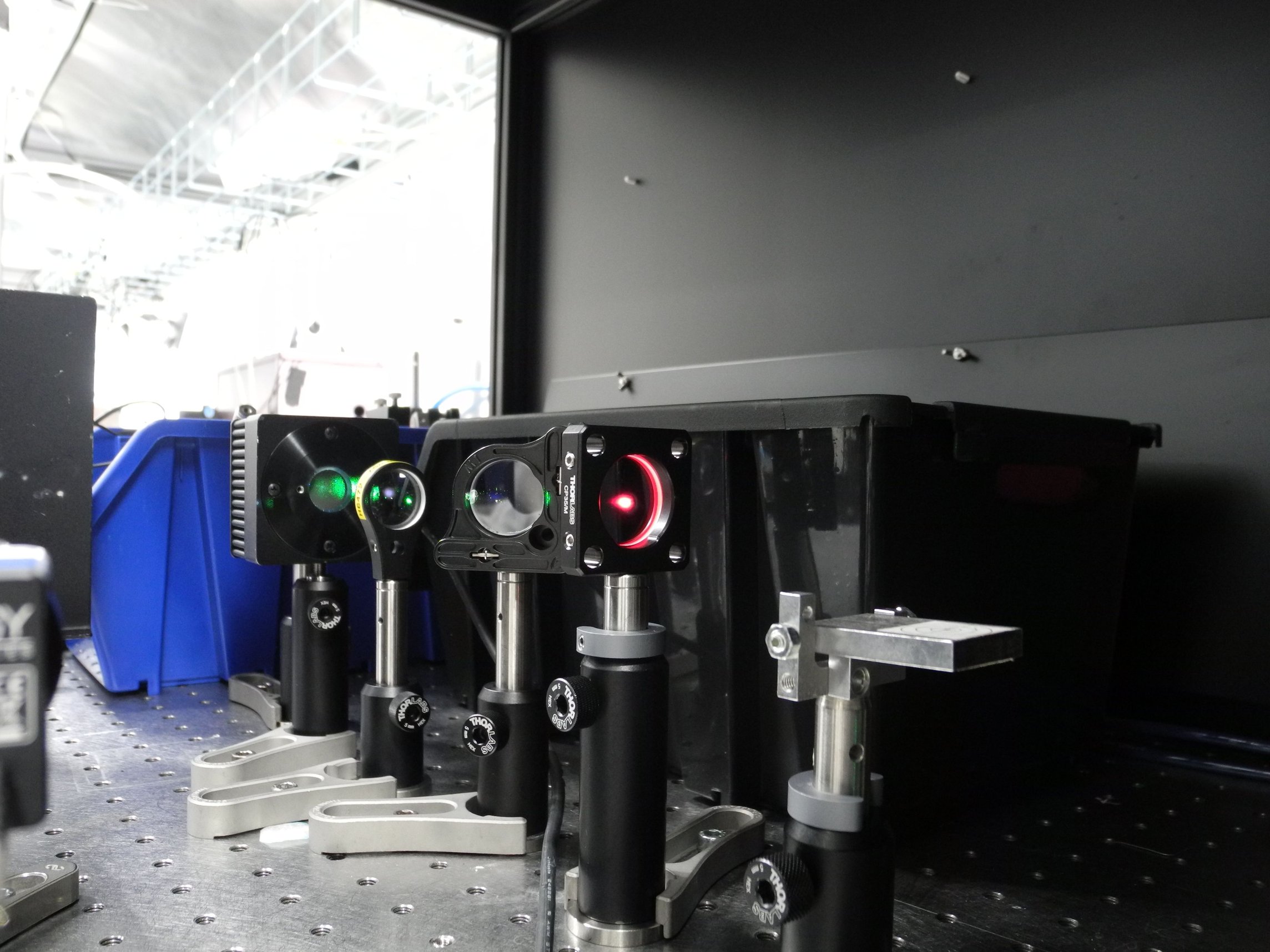
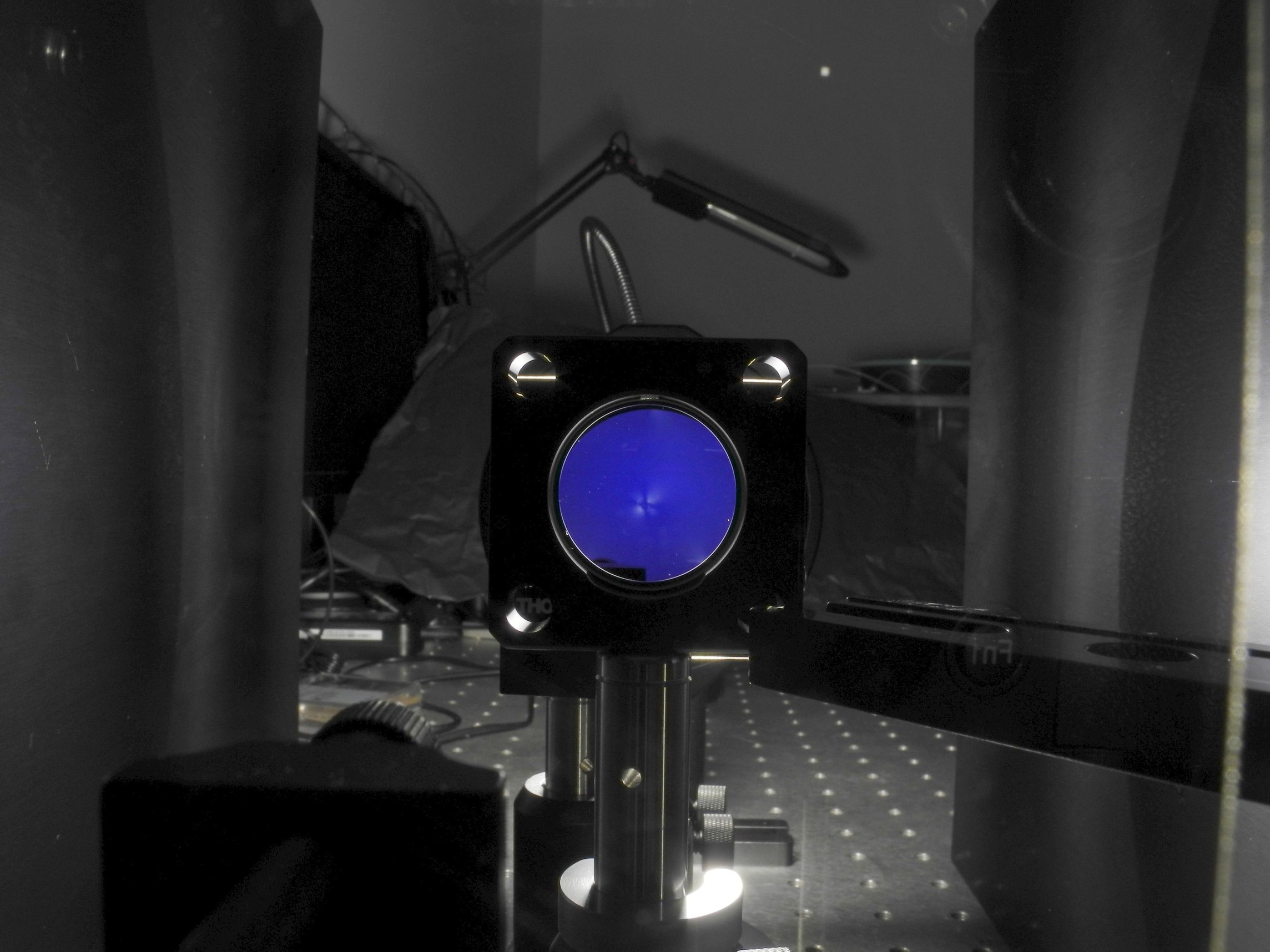
The coated samples were tested at HiLASE under conditions that actually reflect real-world operation.
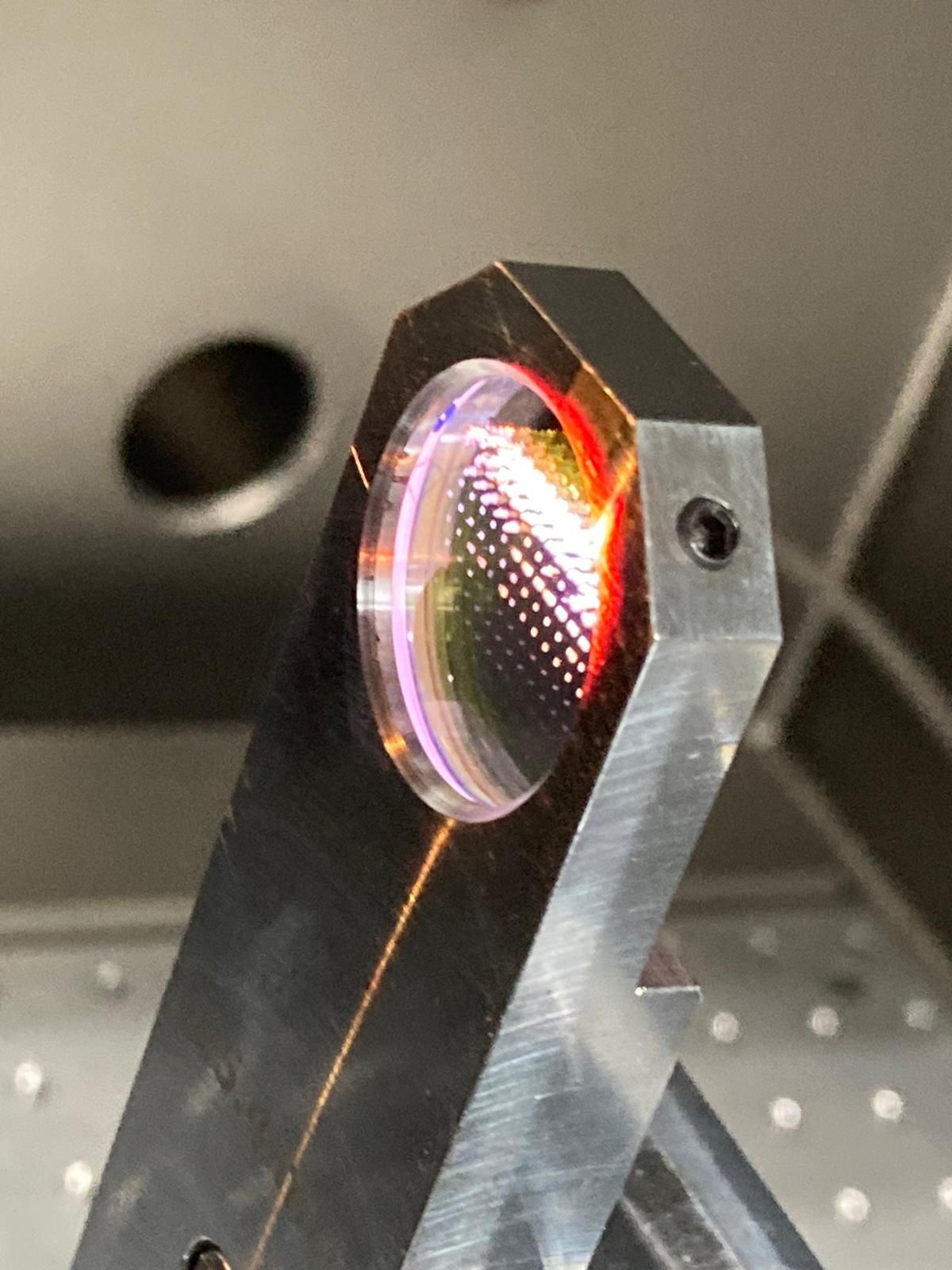
Step 1 - High-Power Irradiation (Perla-C laser)
- Wavelength: 257 nm
- Pulse duration: 1 ps
- Repetition rate: 90 kHz
- Average power: >5 W
- Irradiation time: 30 minutes
During exposure, the team monitored:
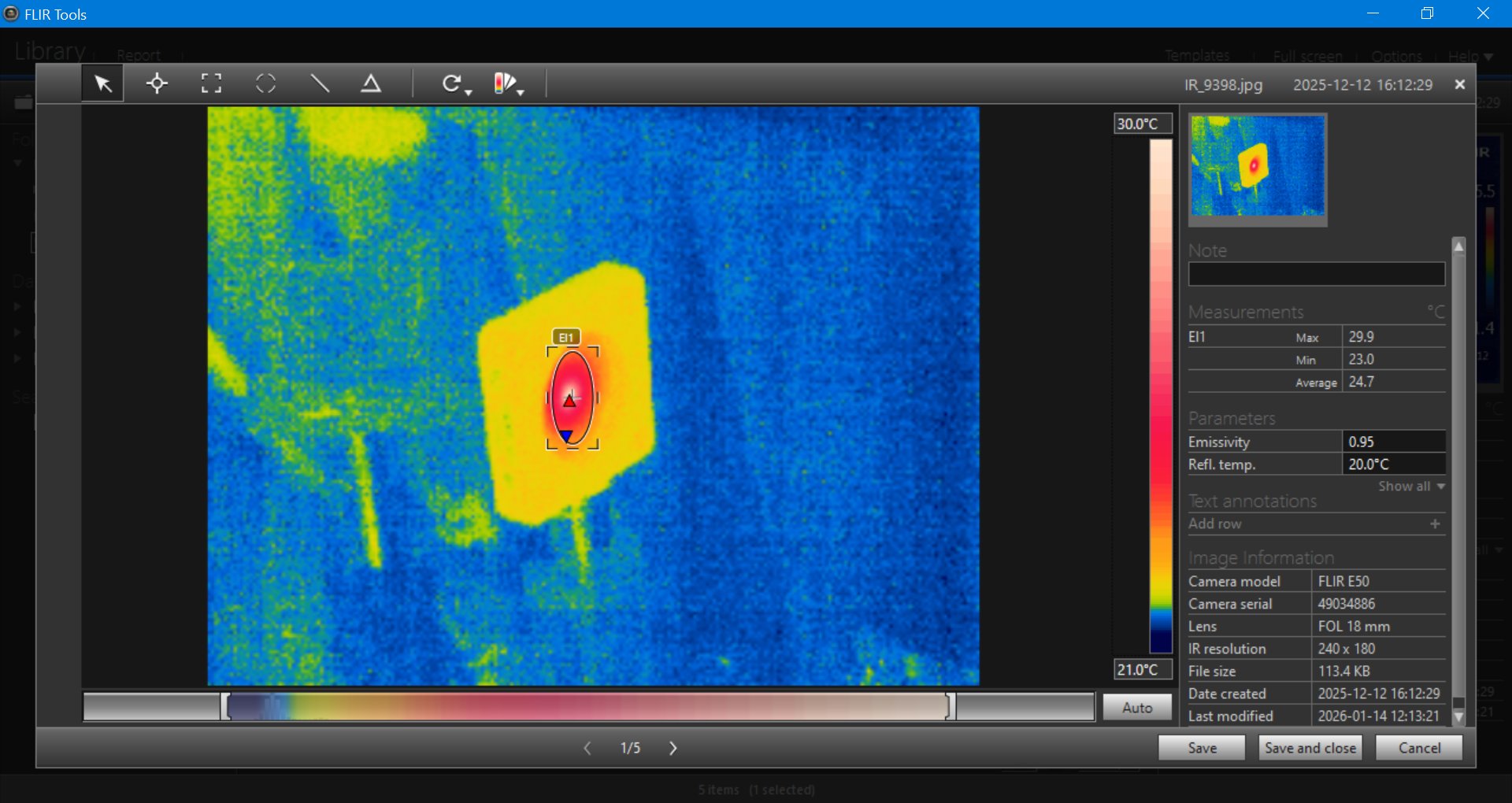
- surface temperature changes
- beam quality
- fluorescence
- birefringence
Step 2 - LIDT Testing
In the HiLASE LIDT laboratory, samples were tested using the S-on-1 protocol (ISO 21254:2), providing a direct, quantifiable comparison with commercial optics.
Experimental Results
Testing showed clear differences between the FTMC-prepared samples and the commercial reference. Under high-average-power irradiation, the developed samples exhibited significantly lower surface heating, with a temperature increase of only 0.3 °C compared to 2.1 °C for the commercial CaF₂ window. This indicates substantially lower optical absorption. Reduced fluorescence observed during irradiation further supported the improved optical behaviour.
Laser-induced damage threshold measurements confirmed this trend. Both FTMC samples reached approximately double the LIDT value of the commercial reference, despite the fact that the AR coating design had not yet been further optimised.
Why This Matters
This development is not just incremental. It points to a clear direction for future optical components in high-power UV systems.
The combination of:
- lower absorption
- reduced fluorescence
- significantly higher damage threshold
makes these windows strong candidates for:
- precision micromachining
- semiconductor processing
- advanced scientific applications
Basically - anywhere lasers are pushed hard and failure is expensive.
Collaboration within LASER-PRO
This work reflects the collaborative approach at the core of the LASER-PRO Excellence Hub. By connecting complementary expertise across partner institutions, the project enables joint research activities with direct technological relevance.
In this case, FTMC contributed its expertise in coating design and sample preparation, while the HiLASE Centre carried out experimental testing under realistic laser operating conditions. This coordinated effort supports the development and validation of advanced optical components for high-power laser applications.